Emerging Plant Health Issues of Concern
Introduction
Emerging issues
There are several plant health issues emerging as major concerns in the Pacific Northwest. A few concerns are highlighted below, but we will continue to update this section as new threats to plant health are detected.
More Research is needed
More research is needed because the factors driving these declines are not well understood. For example, changes in the environment and the onset of more frequent, longer and hotter droughts in some areas of the Pacific Northwest will affect the way plants and parasites interact.
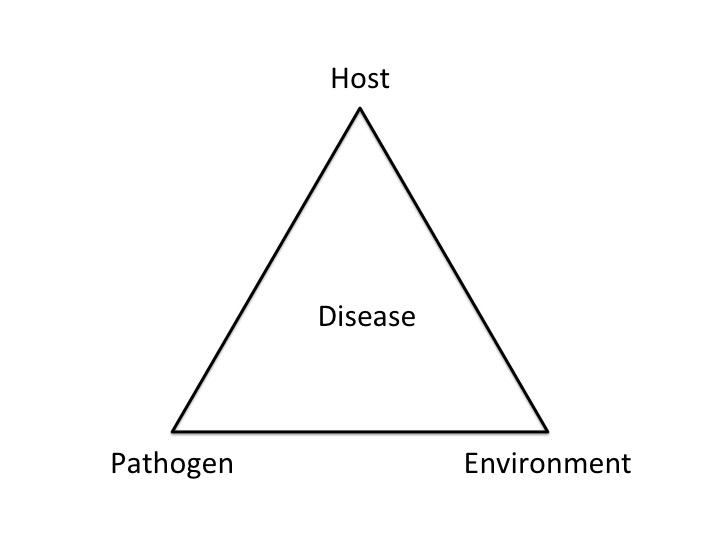
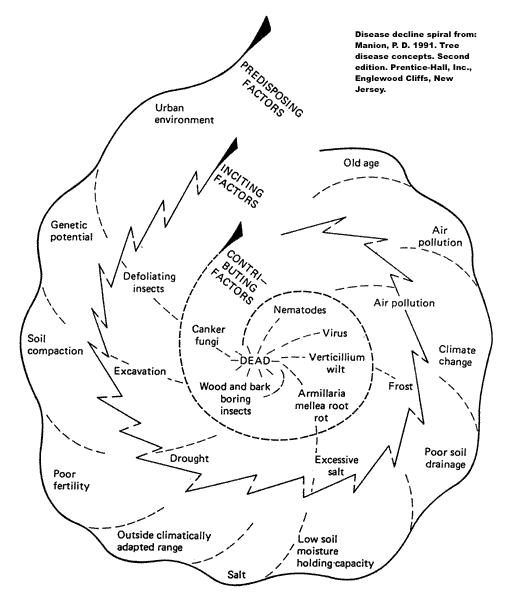
It is often difficult to pinpoint the most important factors leading to the decline of species because it is often a complex interaction between organisms and the environment. Changes in the host plant, environment, pest or pathogen, or a combination of changes, can lead to the emergence of novel disease epidemics or pest outbreaks (see Disease Triangle). This complexity is further demonstrated by Manion’s Disease Decline Spiral, highlighting the numerous factors that can interact to drive tree mortality.
Invasive Species and Early Detection
The introduction of exotic organisms into our ecosystems can also drive irreversible change. Many novel disease epidemics and pest outbreaks have arisen from introductions of ‘alien’ or exotic species originating from other areas of the planet. It is therefore possible that the emerging plant health issues highlighted below are consequences of the introduction of an invasive plant pathogen or pest, but more research is needed.
Briefs
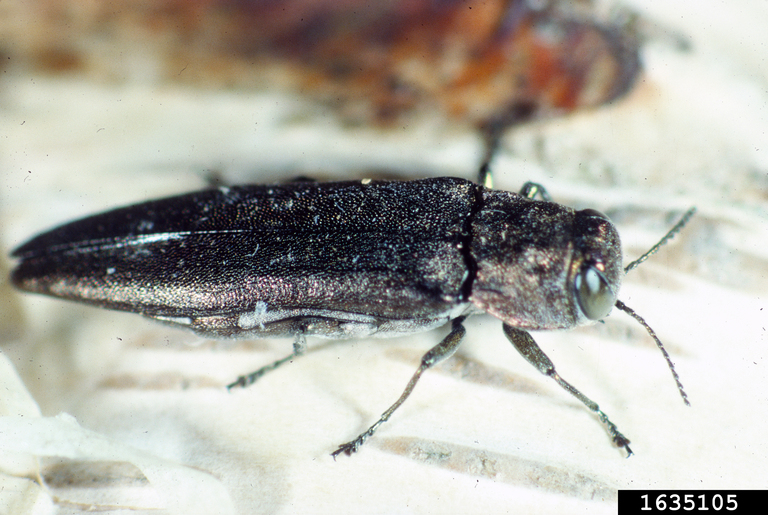
Agrilus anxius
Photo by John .A. Davidson
Bronze Birch Borer
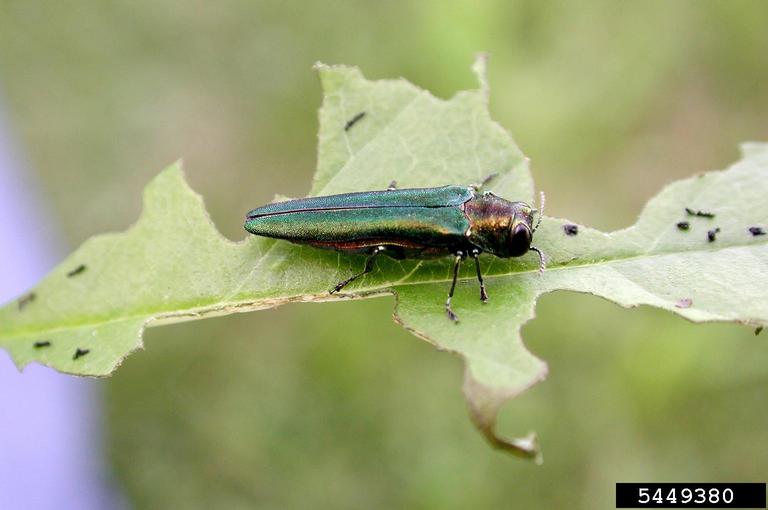
Agrilus planipennis
Photo by Debbie Miller
Emerald Ash Borer
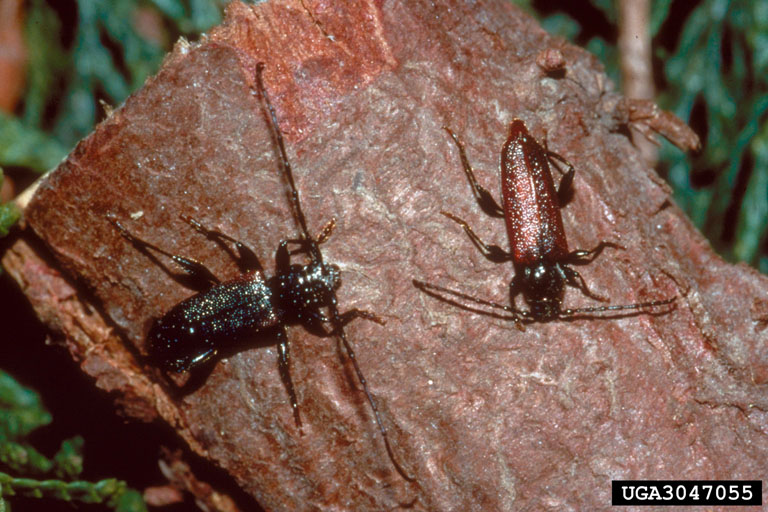
Callidiellum rufipenne
photo by Connecticut Agricultural Experiment Station
Japanese Cedar Longhorned Beetle
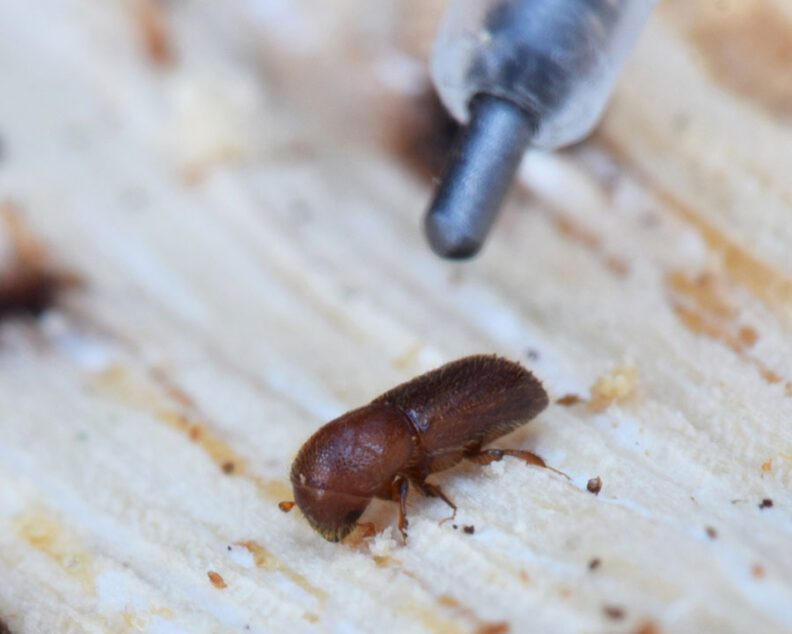
Xyleborus monographus
Photo by University of California Agriculture and Natural Resources
Mediterranean Oak Borer
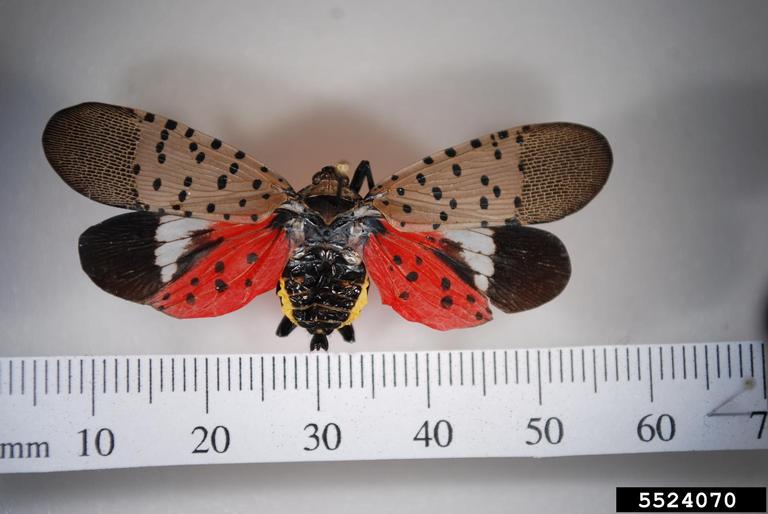
Lycorma delicatula
photo by Lawrence Barringer, Pennsylvania Department of Agriculture
Spotted Lanternfly
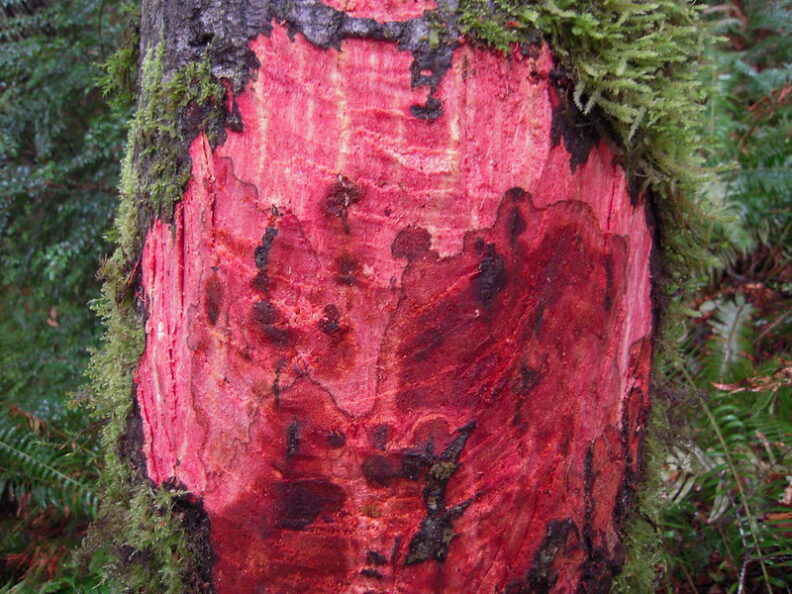
Caused by Phytophthora ramorum
photo by WSU Urban Forest Health Lab
Sudden Oak Death
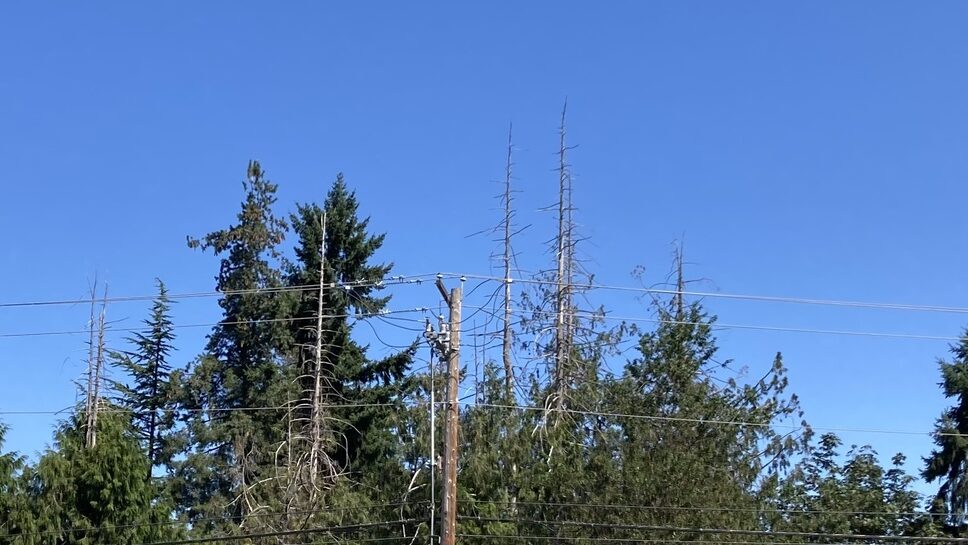
photo by WSU Urban Forest Health Lab
Western Redcedar Dieback
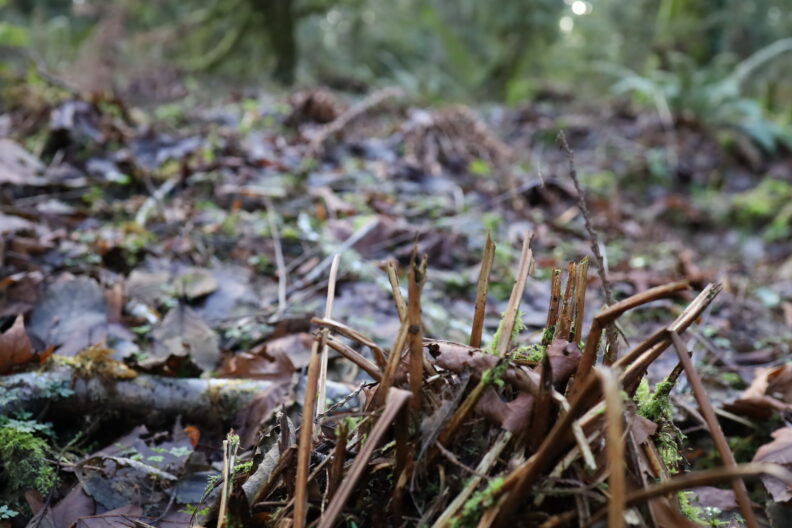
Polystichum munitum
Photo by WSU Tree Health Lab