Western Sword Fern Mortality Research
Western Sword Fern (Polystichum munitum)
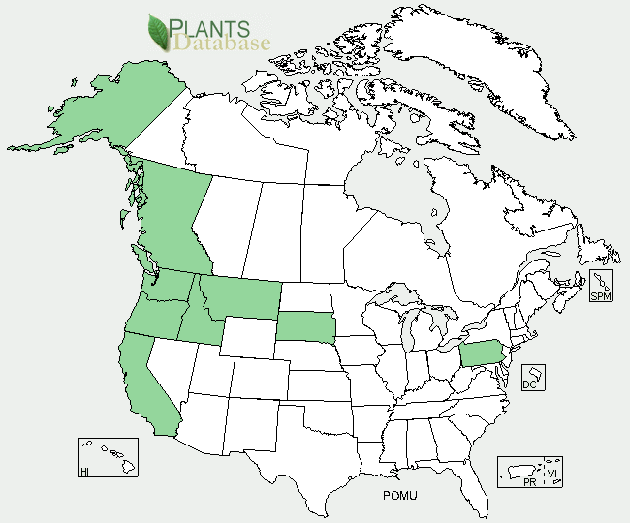
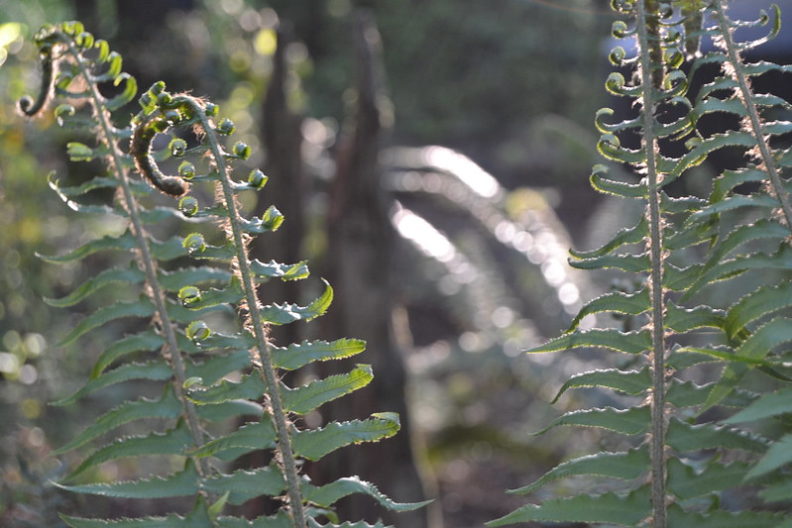
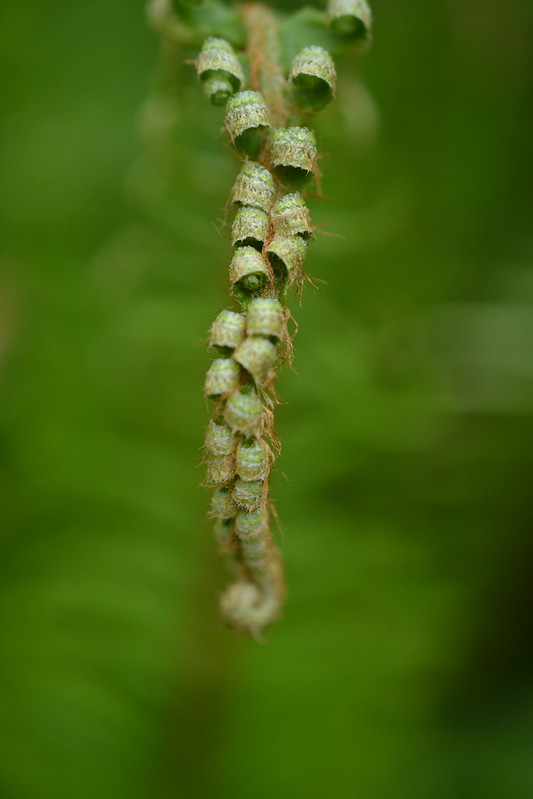
Western sword ferns (Polystichum munitum) are distributed from southeast Alaska to the central coast of California. Sword ferns are an integral component in the understory of Pacific Northwest (PNW) forests, holding cultural, ecological, and economic value.
Introduction
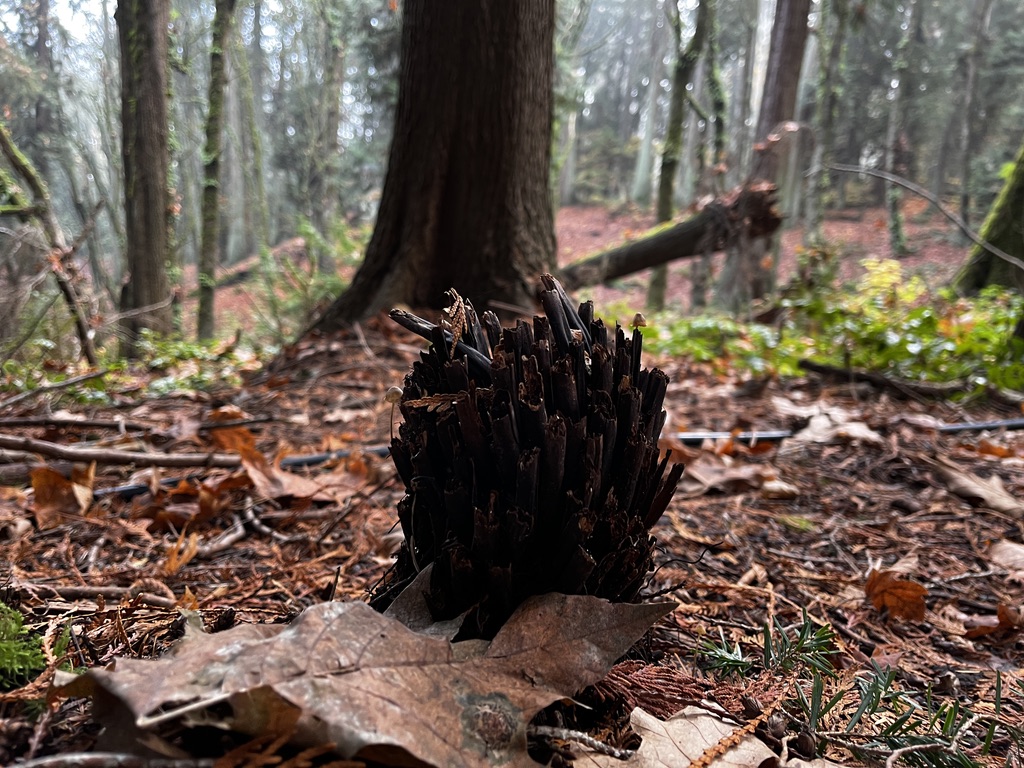
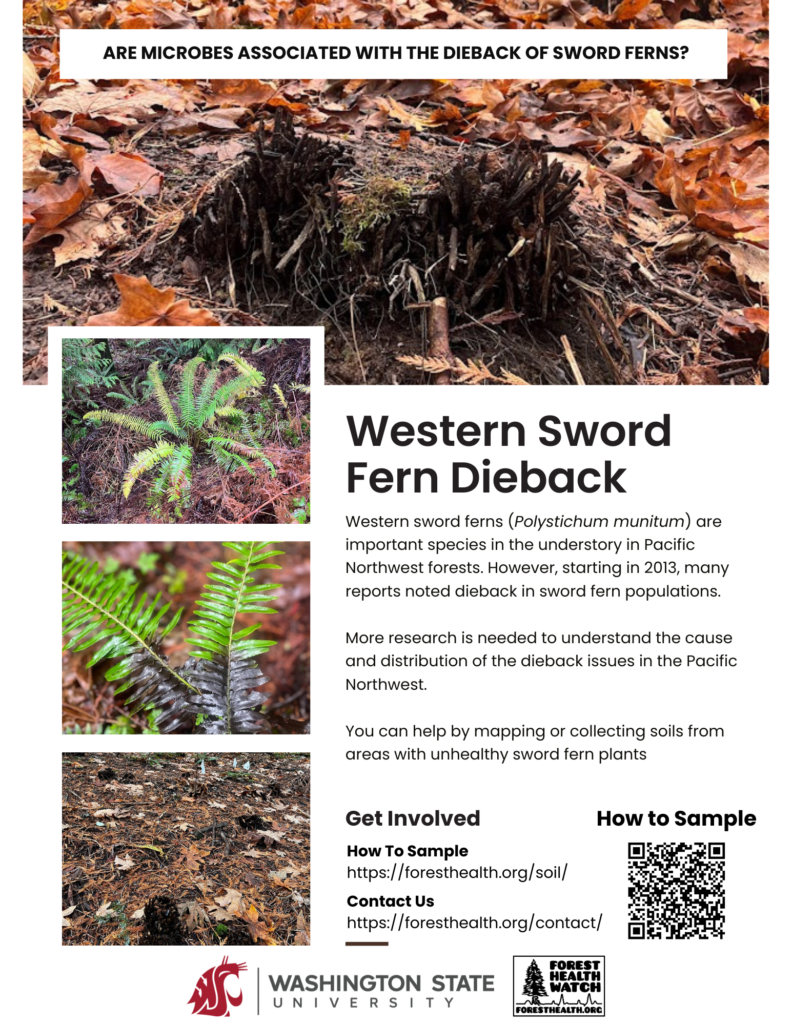
Within the last decade, observations throughout the Puget Sound Region have indicated a dieback phenomenon affecting western Sword Ferns. These reports were based on observations from both land managers and concerned citizens. The symptoms of this dieback include foliar browning, tissue rot, the presence of fern stumps (remnants of the ferns’ short stalks), and the plant’s eventual death.
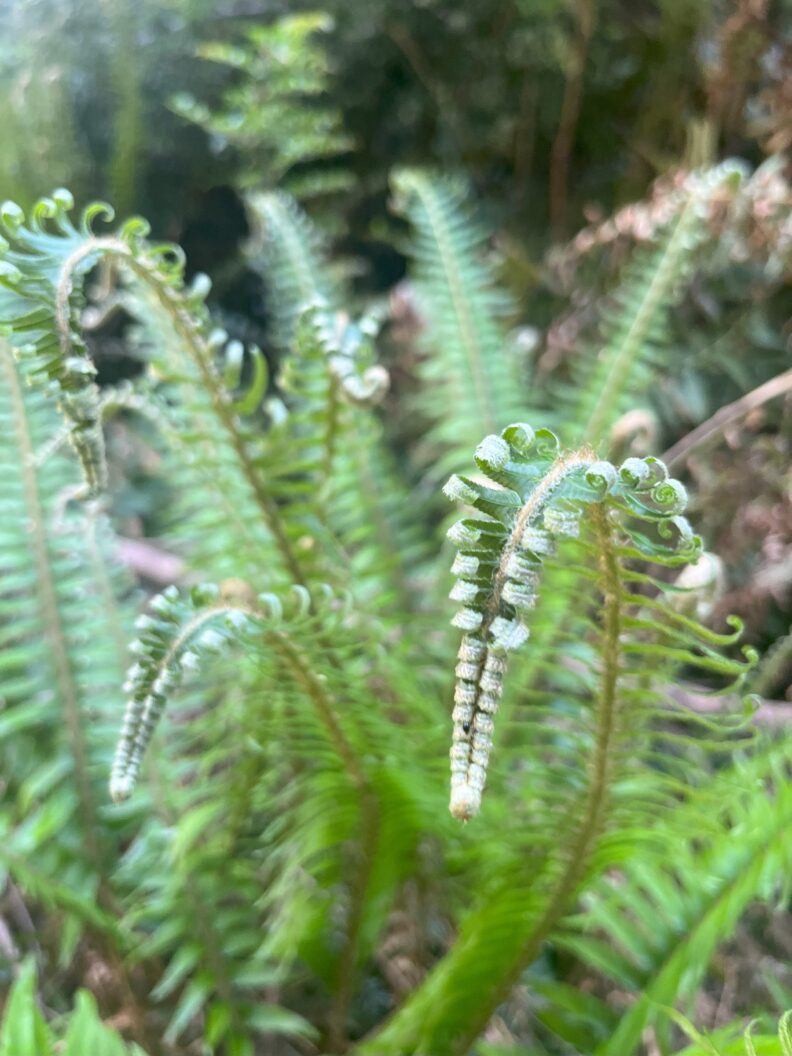
The Western Sword Fern (Polystichum munitum) is one of the most vital & recognizable plants in the Pacific Northwest. The Western Sword Fern is a stable to our forests and holds cultural, ecological, and economic value. Its pinnated structure and hardy green leaves stand out in our forests, which make it more recognizable when they are unhealthy.
The Importance of Swordfern
Vital to the Vibrant Understory
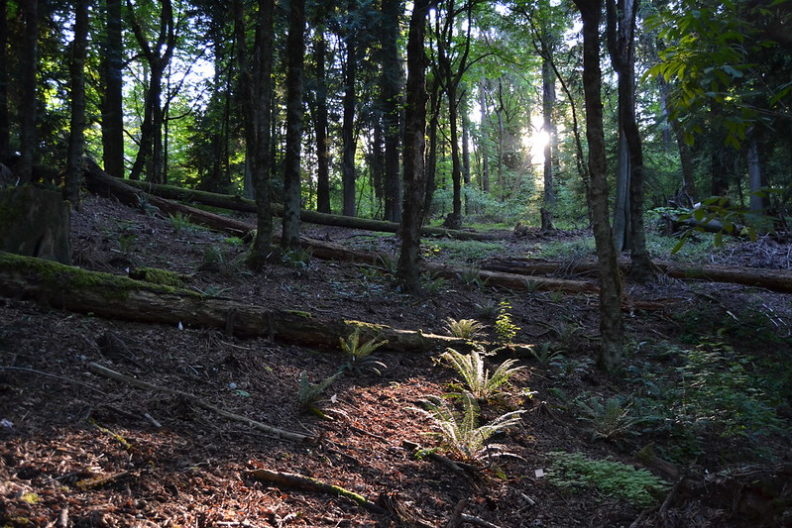
Sword fern (Polytichum munitum) is a major component of the understory of the coastal forests of the Pacific Northwest. It provides many social and ecological services.
Ecologically, sword fern provides nutritional value and habitat for many species. For example, it serves as important source of cover during breeding ceremonies of Pacific ruffed grouse. Sword fern also has the ability to resprout after disturbance and is important for nutrient cycling, erosion prevention and soil health.
Culturally, sword fern has served many purposes for indigenous communities in the region. It has a rich cultural heritage because it has been used in games, ceremonies, as medicines, as fibers for mats, rugs and beds, and it can provide nutritional value during critical times of need such as during famines or seasons with limited food availability.
Report Observations of Sword Fern Mortality
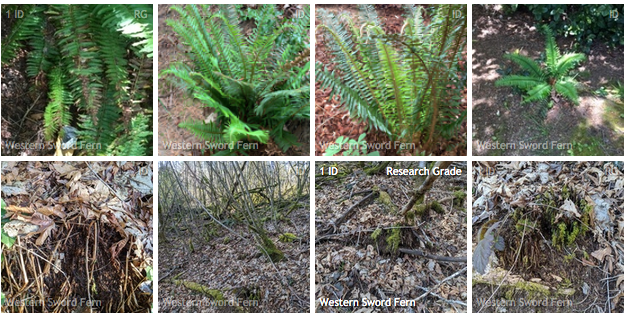
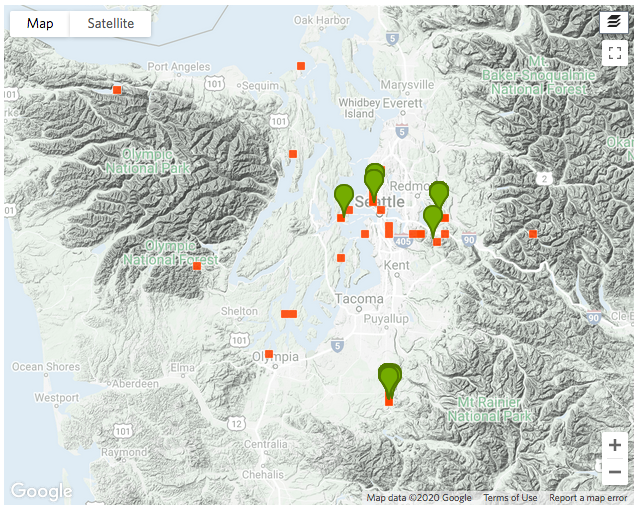
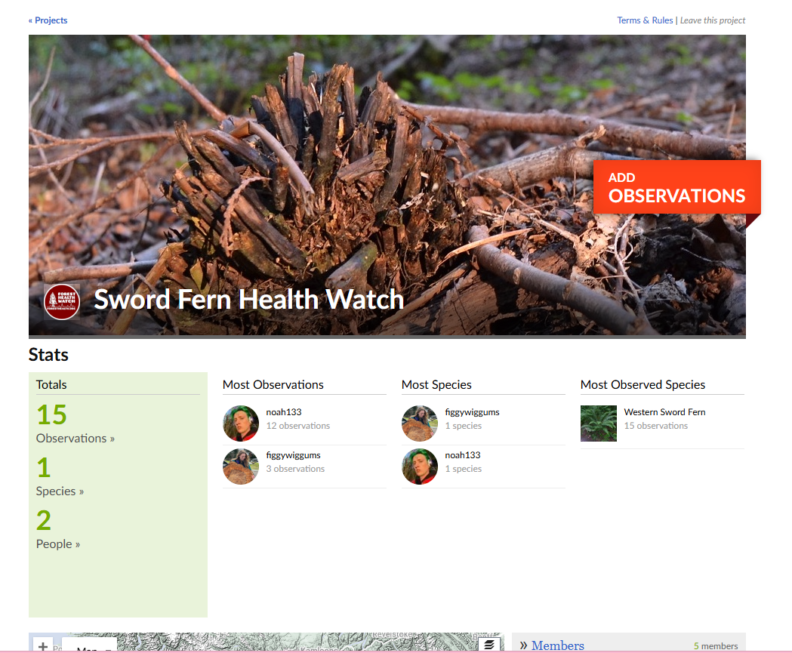
Share Your Observations on iNaturalist
Join the project on iNaturalist.org to share observations of western sword fern die-off. Observations can be uploaded from a computer or with the iNaturalist smart-phone application.

More Information and Resources
Strategic Plan
- Seward Park Sword Fern Decline Strategic Plan, Sword fern decline working group, Seattle Parks and Recreation, Green Seattle Partnership, December 2018.
Websites
- Sword fern decline at Seward Park, Green Seattle Partnership.
- Sword Fern Die-off, Pacific Northwest Pest Management Handbook, Oregon State University.
- Swordferndieoff.org, Irene Natalie.
- Seward Park Sword Fern Dieoff Blog, Paul Shannon and Catherine Alexander.
News Articles
- Nelson Paul, Good news about Seward Park’s Mysterious fern die-off, South Seattle Emerald, December 4, 2019.
- Doughton Sandi, The case of the vanishing ferns: citizen sleuths can’t figure out what’s killing Seattle’s sword ferns, The Seattle Times, March 28, 2019.
- Morrison Kyle, Sword ferns in Seward Park, Parkways, Seattle Parks and Recreation, December 21, 2018.
- Sooter Tad, Ferns are dying in Kitsap forests, and nobody knows why, Kitsap Sun, September 15, 2018.
- Deweerdt Sarah, The mystery of the missing ferns, Sierra Club, August 17, 2017.
- Nelson Paul E., Seward Park fern die-off (an interview with Paul Shannon), South Seattle Emerald, August 15, 2017.
- King 5 Staff, Massive mystery fern die-off at Seattle park, King 5 News, June 16, 2017.
- O’Neill Eilis, Sword fern mystery: acres of dead forest plants puzzle scientists. Oregon Public Broadcasting, KUOW/EarthFix, July 27, 2017.
Blog Posts
- Are extreme temperatures contributing to the Seward Park sword fern die-off? Joe Zagrodnik, January 30, 2019.
- Mysterious die-off threatens Seward Park, Denise Dahn, Seattle Nature Alliance, May 16, 2017.
Presentations
- Emerging forest health issues: sword fern die-off and Pacific madrone decline (PDF 35MB), Marianne Elliot, Washington State University, Northwest Washington Forest Owners Winter School, February 29th, 2020.
- Seward Park sword fern die-off (Link), Tim Billo, University of Washington, Washington State Native Plant Society Lecture, January 3, 2019.
YouTube
- Sword fern die-off, Kitsap Peninsula, Paul Shannon.
The Problem: Sword Fern Mortality
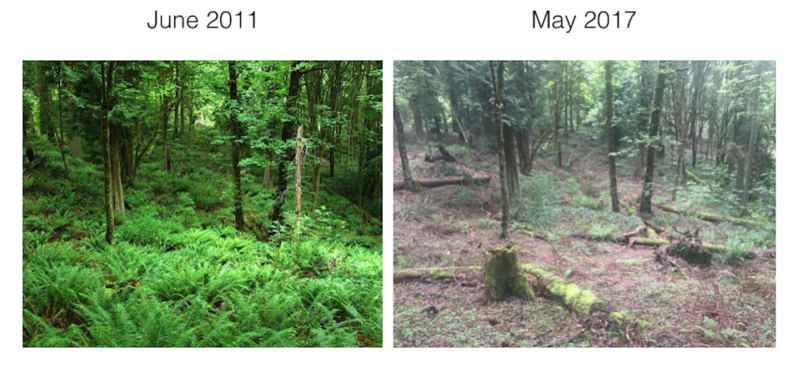
Recent observations indicate sword fern plants are dying in localized areas, particularly in the Puget Sound region. In 2013, reports from Seward Park in Seattle highlighted a concerning decline in fern populations, with areas that previously supported healthy ferns exhibiting extensive dieback.
Fern Mortality Symptoms
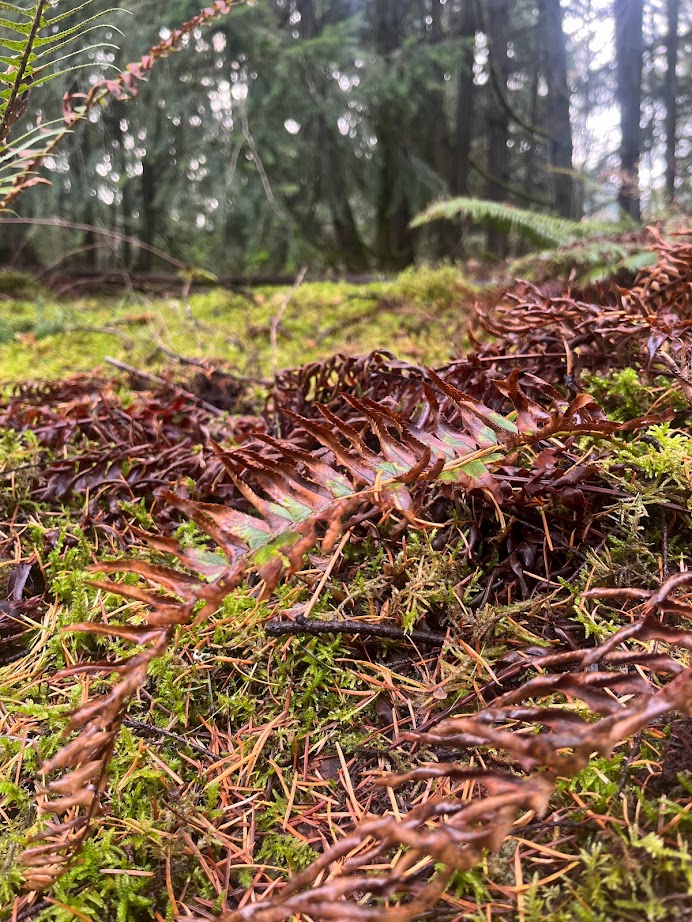
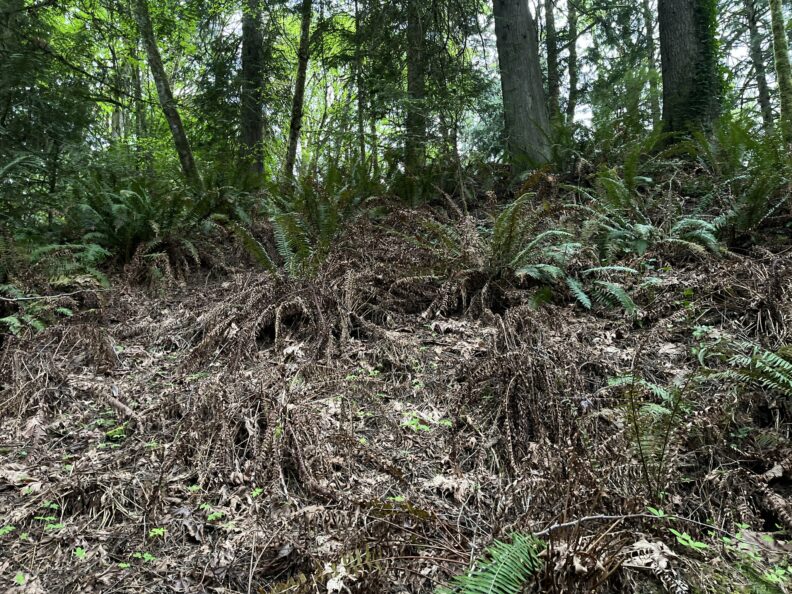
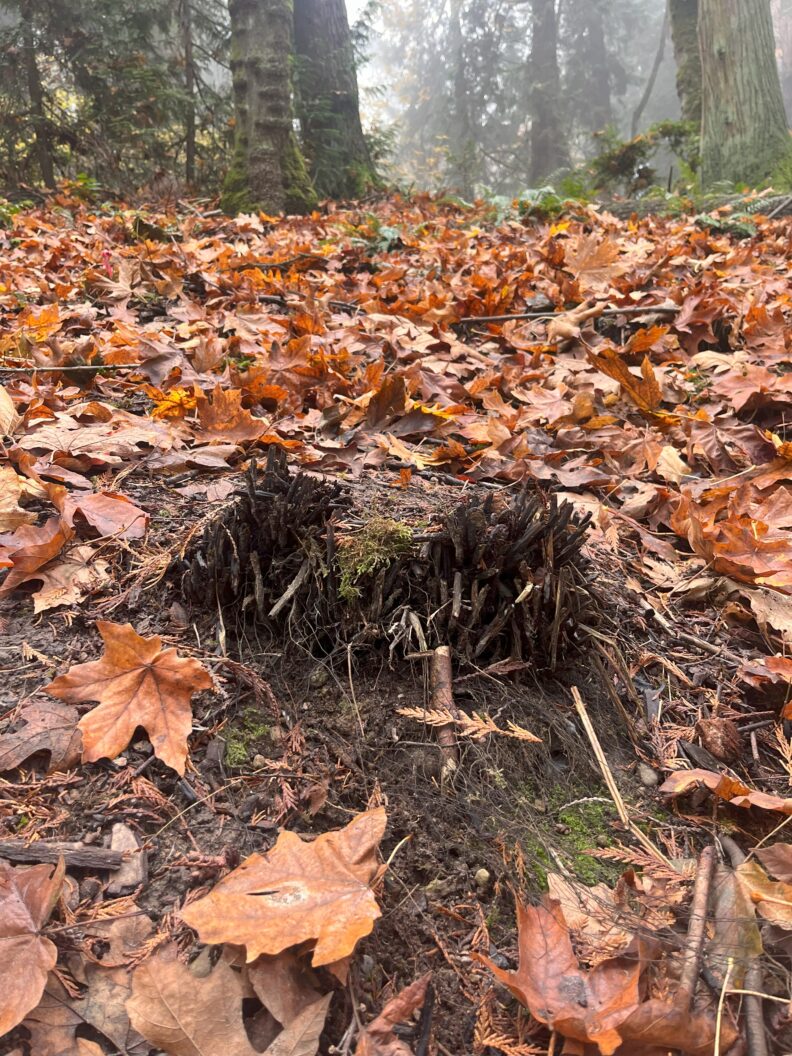
The symptoms of sword fern dieback include foliar browning and crisping of the fronds until eventually all that is left is a stump. Fiddle heads may emerge from some stumps the following season, but they may be dwarfed or start browning or crisping soon after.
The Approach
Observations of unhealthy sword ferns recorded on iNaturalist were visited for soil sample collection. At each location, soil samples were collected from three nearby ferns. Symptomatic ferns and some healthy ferns were sampled.
Soil Sampling
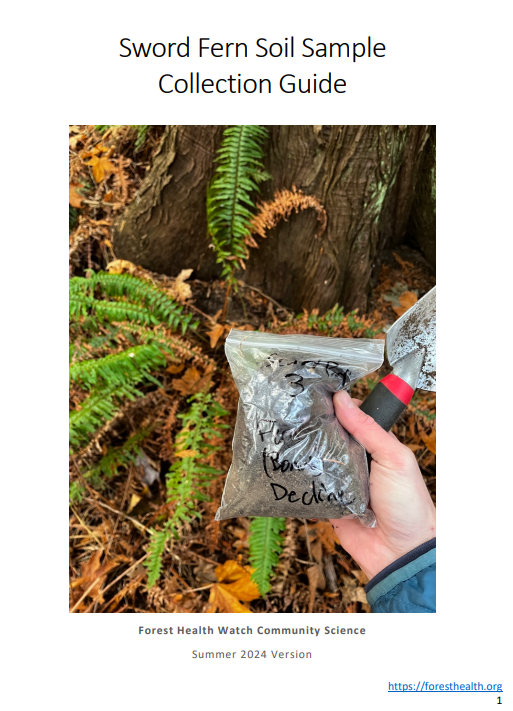
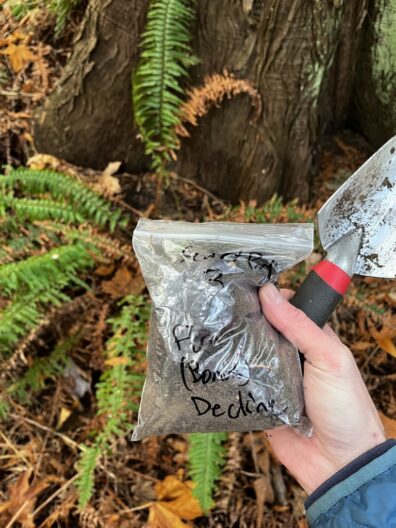
The fern that was selected had the leaf litter and duff removed on the top of the soil before collecting the soil. Soil was collected from 3-4 spots around the fern within a meter of the base. About 500 grams of soil and small roots were collected and placed in a plastic bag.
Sampling equipment was sterilized before collecting each sample. Soapy water and a brush were used to clean the soil particles from the sampling shovels. The residual soap was removed by sticking the shovel into the soil near but not in the spot that the next fern was going to be collected.
Searching for Plant Pathogens
Oomycetes
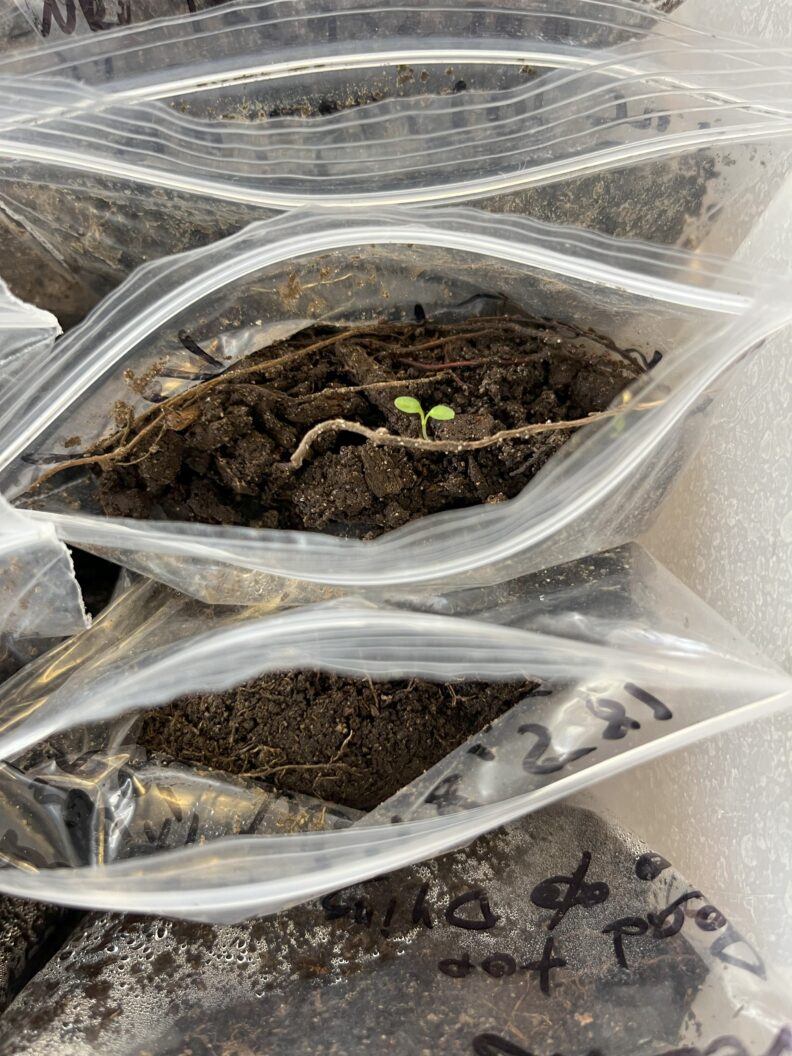
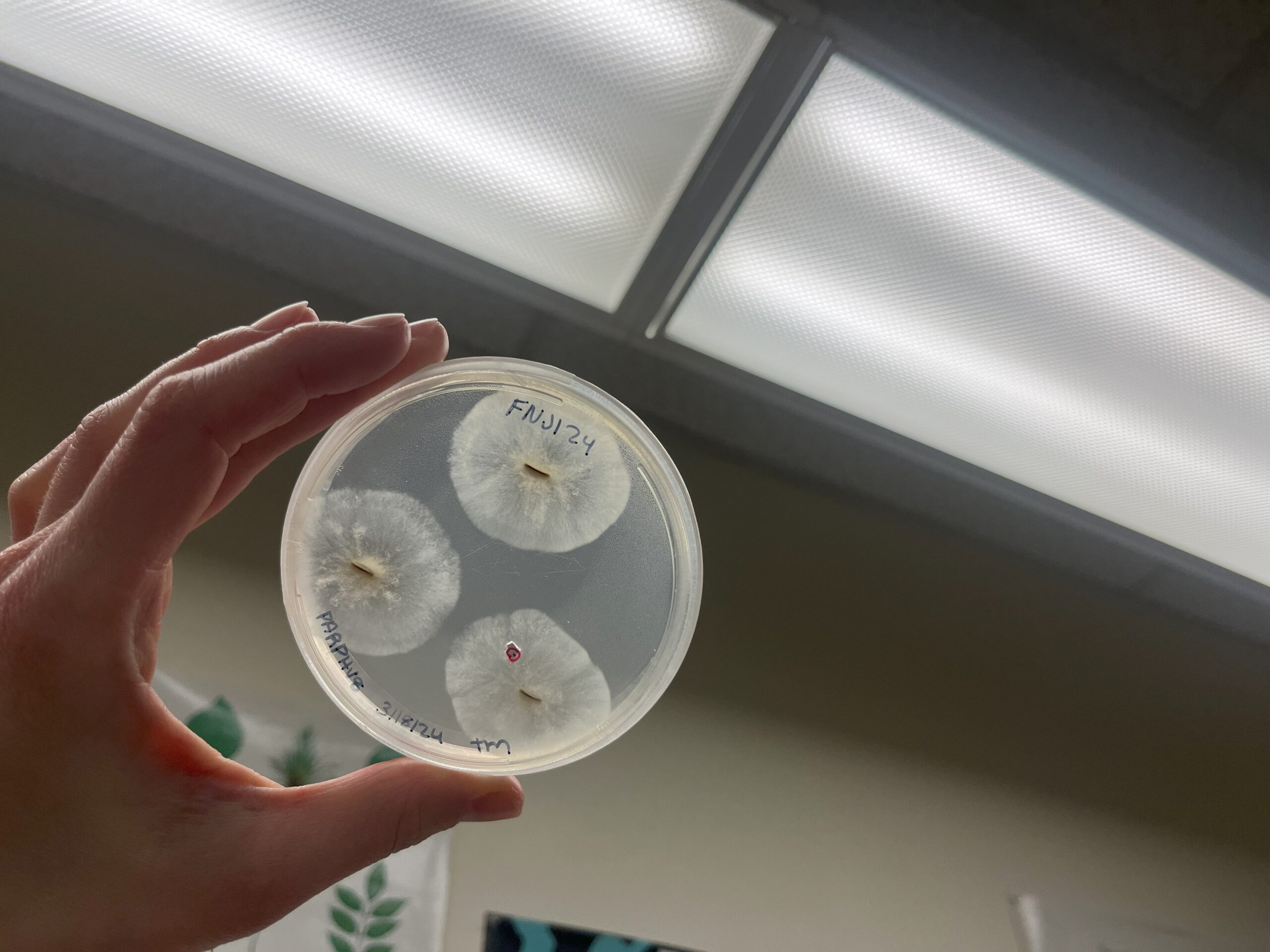
Oomycetes are a class of microbes that can many plant diseases worldwide. The group includes genera such as as Phytophthora and Pythium, which can spread through the movement of infected plants, water, and soil. Commonly referred to as ‘water molds’ these microbes can grow as webs of hyphae or by producing motile zoospores that can swim through water and moist soil. Restoration plantings have linked to the spread of Phytophthora species in some cases.
Soil Baiting
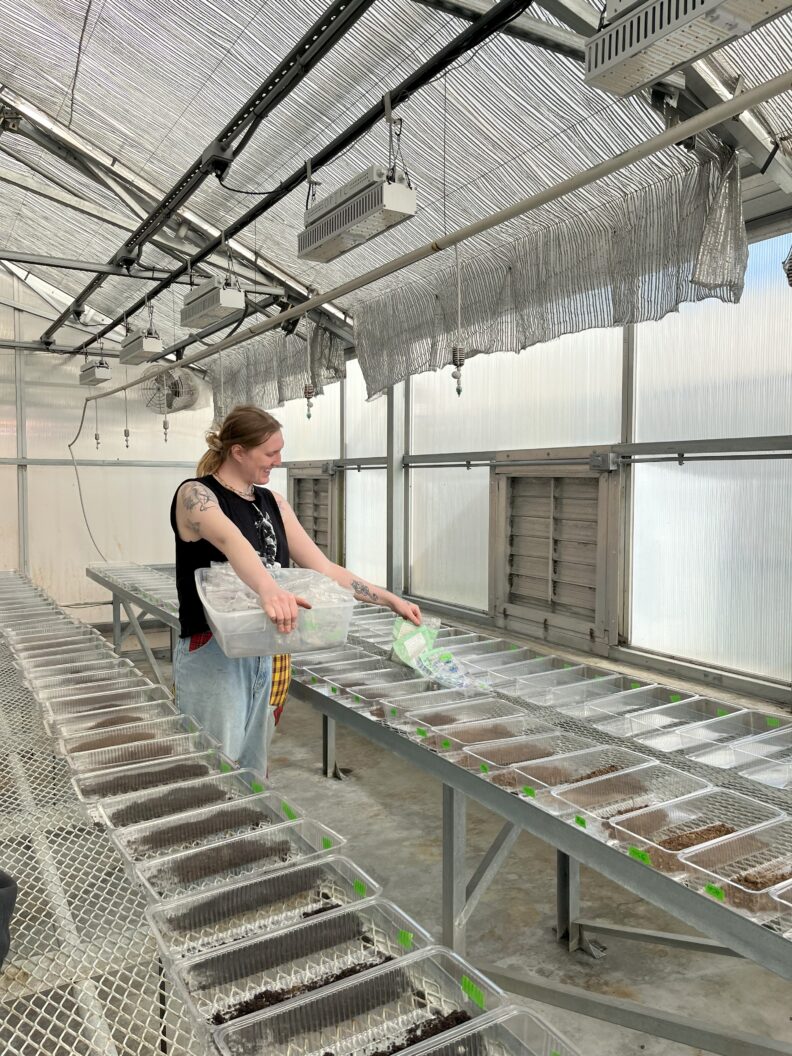
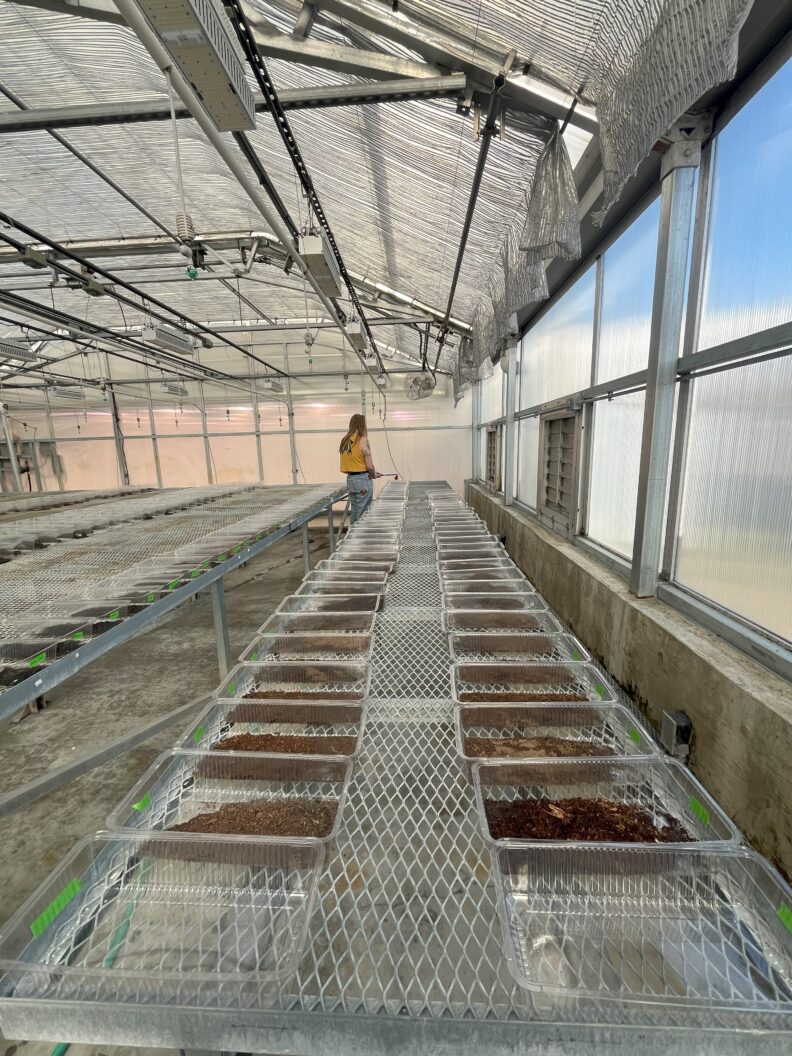
Soil and fine roots were baited for Oomycetes. Each soil sample was placed into a bin and flooded with water. Rhododendron leaves were then added to the flooded soil as ‘baits’. If oomycetes were present in the water, swimming spores would infect the floating bait leaves. After some time, the rhododendron leaves are removed, washed, and incubated before isolation with selective agar is completed.
Get Involved
If you would like to be involved, please let us know with the form below.
Sword Fern Soil Sampling
Please share your details below if you are interested in helping advance knowledge about the dieback of sword ferns in the Pacific Northwest.Collect Soil Samples
If you want to collect soil samples, join the iNaturalist project called ‘Sword Fern Health Watch,’ add observations of unhealthy ferns, and take soil samples!
Soil Sample Collection Guide