Be Rooted In Storm Solutions
How Trees Manage Stormwater
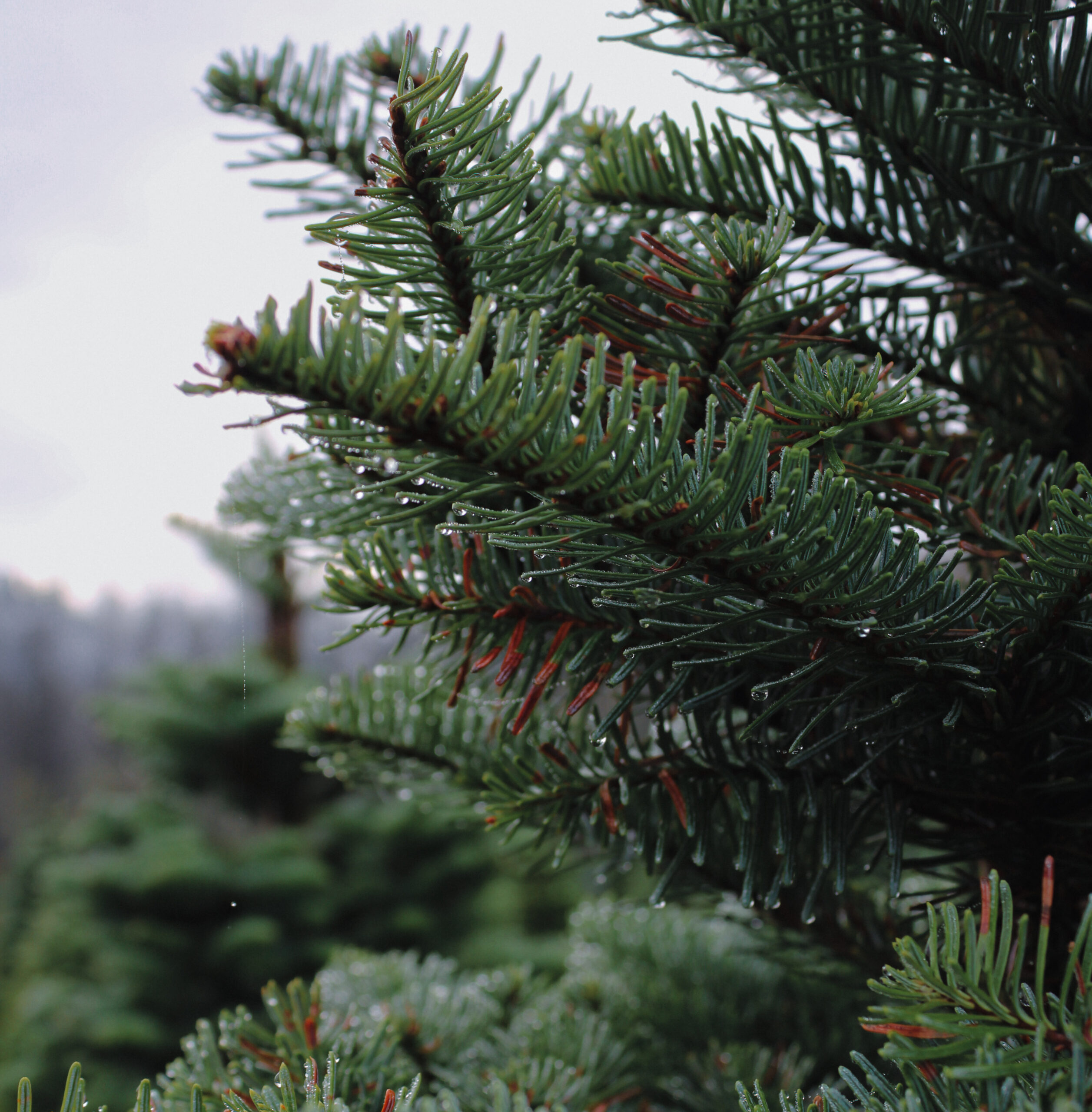
Trees can be like umbrellas when it rains. Their large leafy canopies intercept rainfall and help to keep the water from falling onto the ground.
Research (Barnes et al., 2022) has shown:
Evergreen and deciduous trees can capture or slow stormwater by intercepting and transpiring 44-65% of rainfall.
Evergreen trees can provide even more hydrologic benefits for stormwater management than deciduous trees due to them having their leaves year round.
Water Warriors
Trees help to:
- Keep pollutants out of our water
- Prevent erosion
- Their roots help water penetrate soil and recharge ground water supplies
- Decrease the amount of stormwater runoff
How It Works
- Interception: The leaves, branches, and trunk of a tree store water. They intercept rainfall before it hits the ground. This reduces the volume and speed of surface runoff.
- Throughfall: Tree canopies capture rain as it falls, reducing the speed and volume of surface runoff.
- Filtration/Infiltration: Woody root channels in the soil help water to percolate into the soil.
- Soil Stabilization: Roots help hold soil in place which helps to prevent erosion.
- Phytoremediation: Trees absorb water through their roots, which can remove pollutants found in runoff by using the nutrients for growth or storing heavy metals and chemicals.
- Transpiration: Trees use water from soil for photosynthesis, which is then released as water vapor. When used it frees up space in the soil for additional water storage.
- Evaporation: Water is released into the atmosphere from the tree canopy.
Urban tree cover is being lost and so are the benefits urban trees provide
Environmental Stress: Trees in urban areas face harsh conditions, such as heat, drought, disease, and pests.
Redlining and Housing Policies: Historically discriminatory housing policies created disparities, which has led to less tree cover in lower income and minority communities today.
Urban Development: Urban areas are expanding, which often requires removing existing trees for construction and housing.
Trees are now competing with buildings, streets, and underground infrastructure for limited space.
Improper Maintenance: Improper planting and a lack of ongoing maintenance are shortening trees lifespan.
Tree Equity score
What is a Tree Equity Score?
A Tree Equity Score (American Forest, 2025) uses available urban tree canopy data to see if the benefits of urban trees are being equitable distributed.
The score helps to highlight the need for more investment in neighborhoods disproportionately affected by extreme heat, pollution and other environmental hazards. Often times the people residing in these neighborhoods are people of color or low income.
Tree Equity in Washington
- Washington’s current tree canopy is 33%
- 85% of neighborhoods in Washington have a tree equity score of less than 100
- The current tree canopy would need to be expanded by 283.5 square miles to bring every neighborhood to a tree equity score of 100
If every neighborhood had a tree equity score of 100
An expanded tree canopy would provide huge benefits for managing stormwater
- Stormwater Runoff Prevented: 10,528.2 Million Gallons
- Stormwater Runoff Equal To: 526,408 Standard Swimming Pools
- Rainfall Intercepted: 16,596 Million Gallons
How You Can Help
- Plant native trees on your own property
- Advocate for and support initiatives and policies that protect mature trees in your community
- Support ordinances for urban forestry funding
- Volunteer in local tree planting programs
Resources
Visit to learn more
American Forest. “Tree Equity Score Location Insights State of WA.” Tree Equity Score, 2025, https://www.treeequityscore.org/insights/state/WA. Accessed 27 08 2025.
Asselmeier, Carrie, et al. Puget Sound Urban Tree Canopy and Stormwater Management HANDBOOK. 2021. King County Conservation District, https://kingcd.org/wp-content/uploads/2021/11/Puget-Sound-Urban-Tree-Canopy-And-Stormwater-Management-Handbook.pdf. Accessed 26 08 2025.
Barnes, Abby, et al. Measuring Individual Tree Water-use in Mature Native Species in the Pacific Northwest to Determine their Benefits for Stormwater. 2022. labs.wsu.edu, https://labs.wsu.edu/jayakaran/documents/2023/09/fs26-mature-trees-mitigate-sw.pdf/. Accessed 27 08 2025.
ehs.wsu.edu/environmental-issues/ph-stormwatermanagement
wastormwatercenter.org
Website created by Alexia Green