WSU Tree Equity Internships
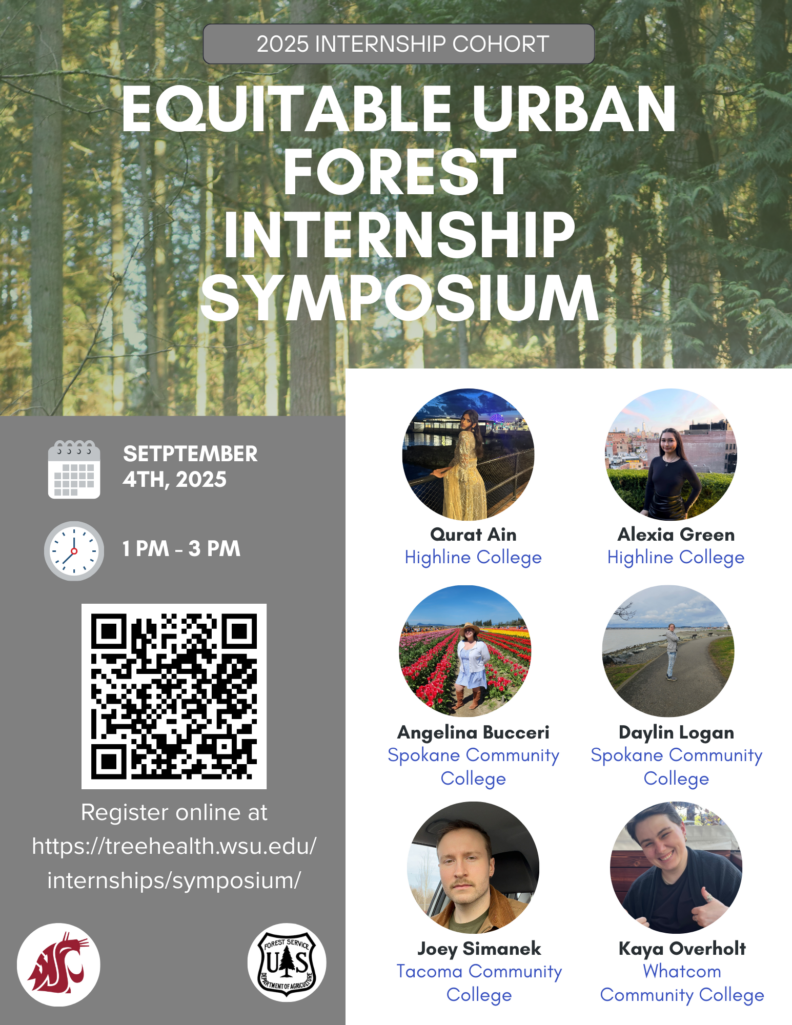
2026 Equitable Urban Forests Symposium
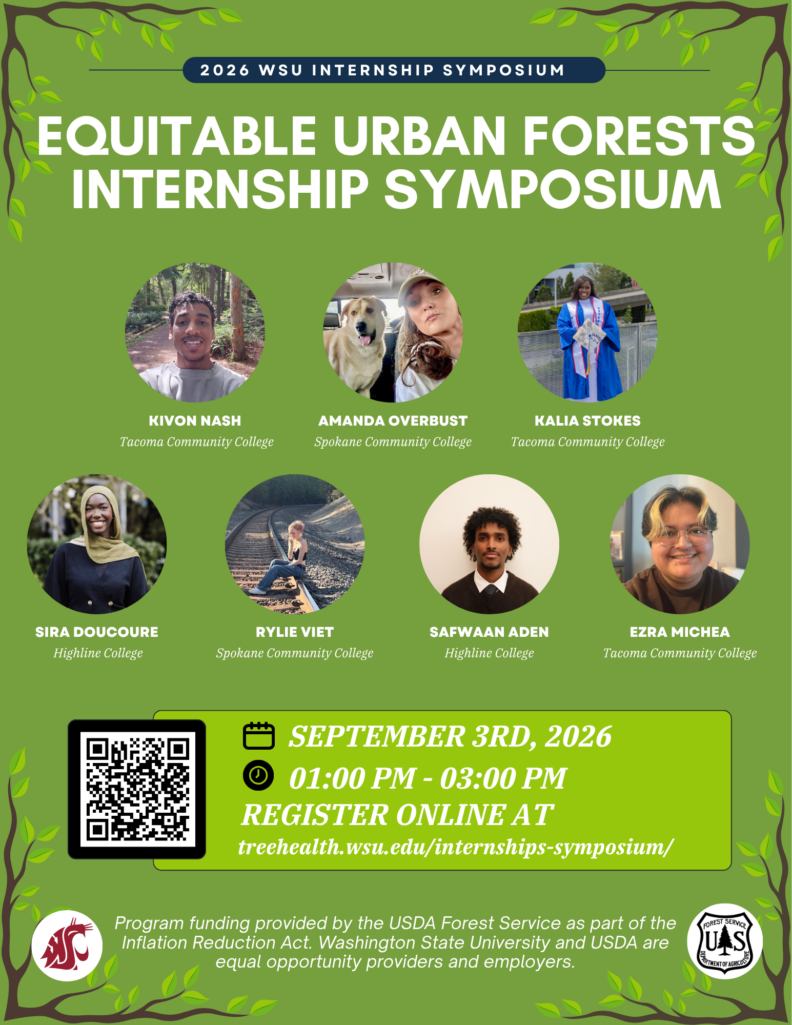
Register for our 2026 Equitable Urban Forests Symposium at the link below.
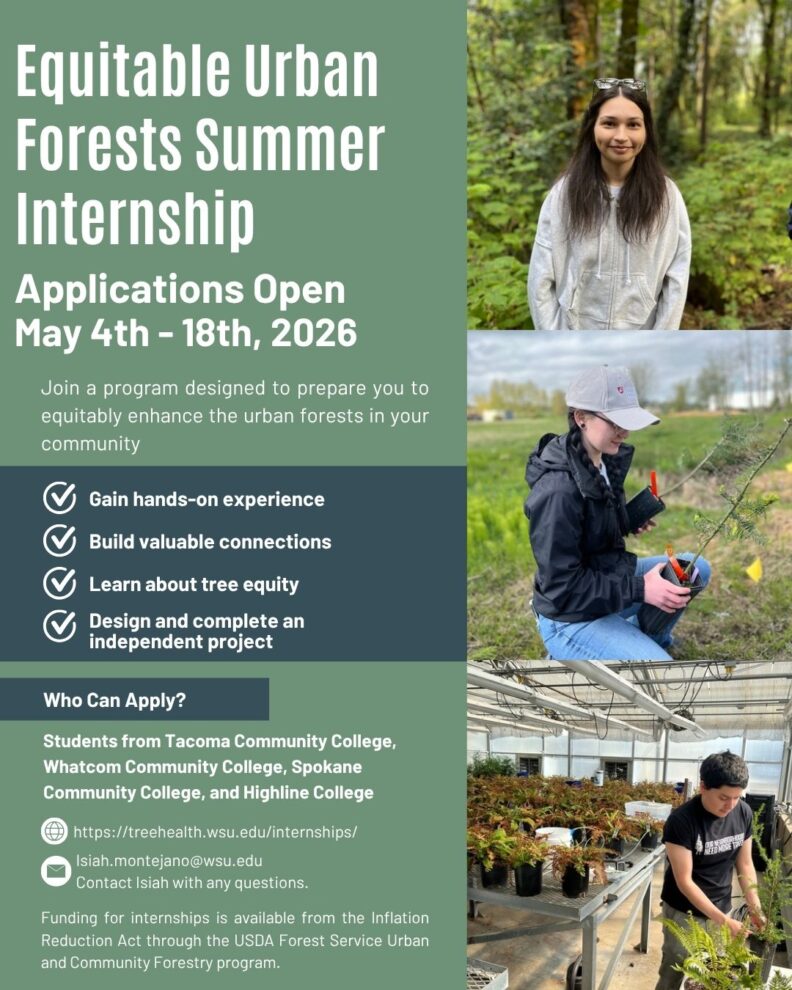
2026 Internships (Submissions closed)
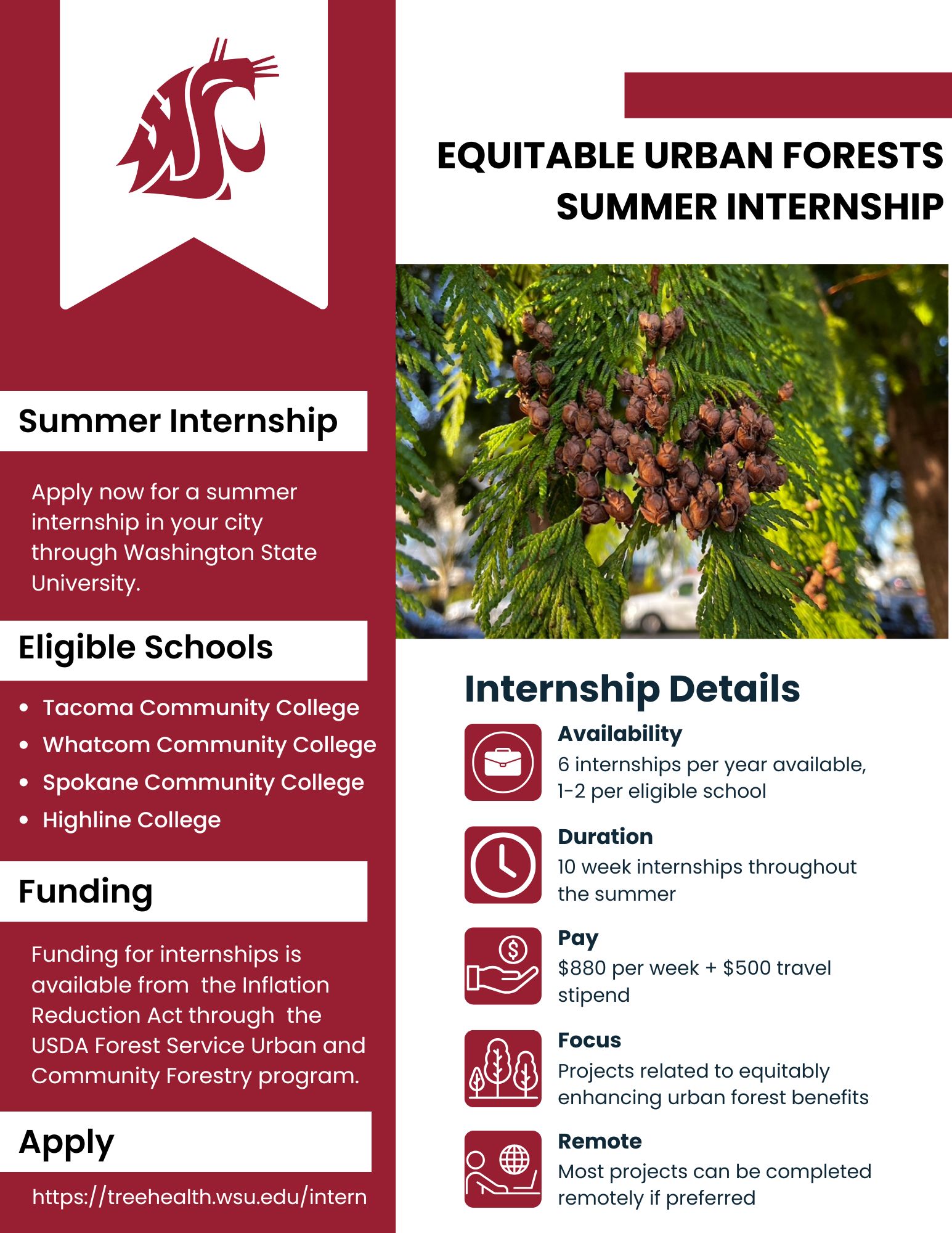
2026 Internship Details
- Six paid internships are available
- Internships are full-time for 10 weeks
- Internships are remote, but not entirely computer based.
- Internships will require projects and tasks within your community.
- Pay includes $880 per week with a $500 travel stipend
Educational Goals
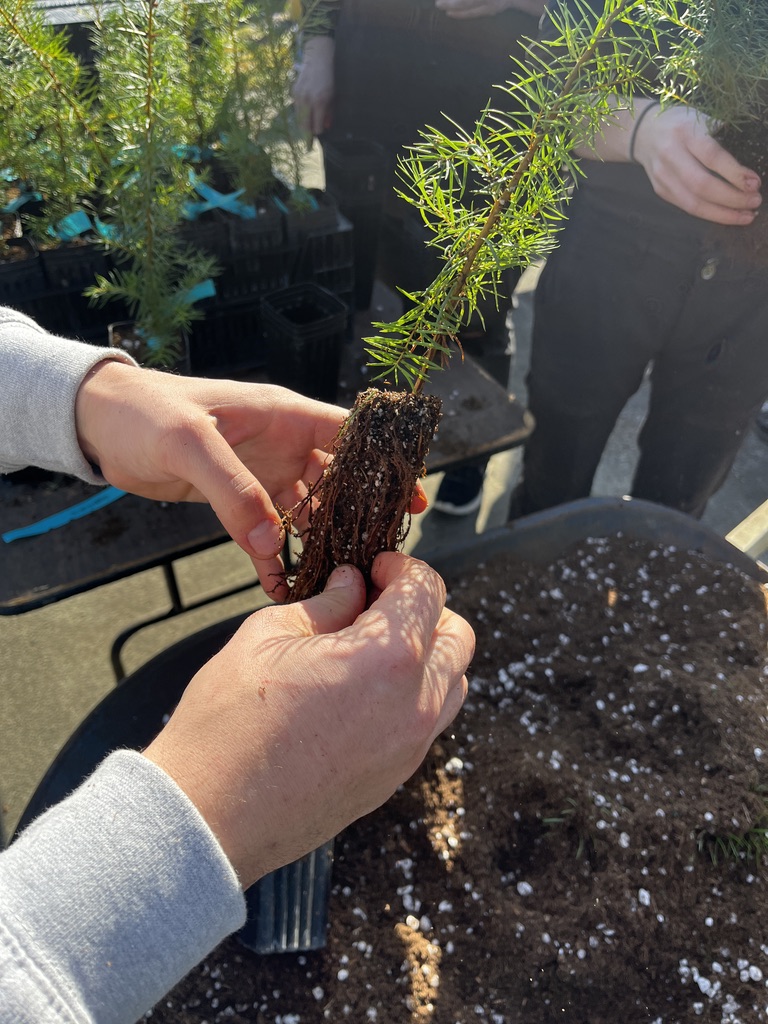
The educational goals of the Equitable Urban Forest Summer Internships are to enhance your skills and approaches to
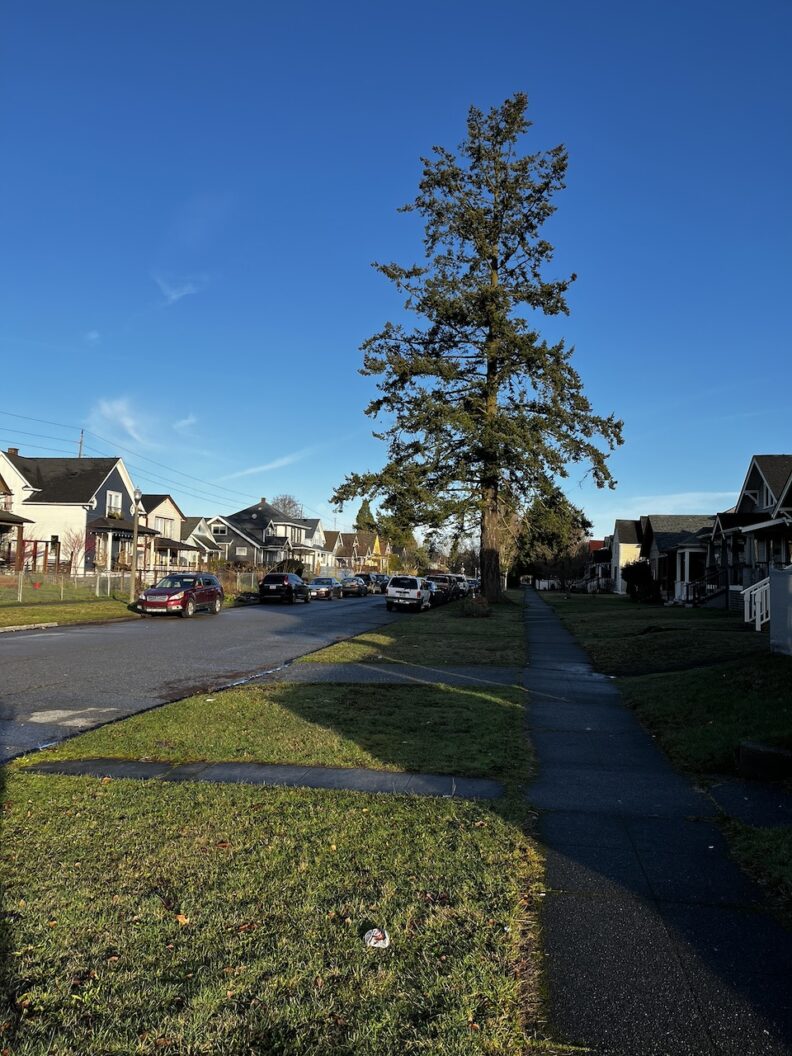
- Learn importance and value of urban trees for benefiting community livelihood and how tree health issues can limit urban forest benefits.
- Identify and understand historical practices creating undeserved and disadvantaged neighborhoods in your community
- Identify areas where planting trees would have the most benefit
- Identify tree species and best practices for tree stewardship
Internship Expectations
- Internships are full-time (9-5pm M-F) for 10 weeks.
- Please do not apply if you are not available full-time (some vacation/travel is acceptable, but you will still need to complete weekly tasks).
- Interns will attend weekly online meetings with other interns, program faculty, and internship coordinators.
- Internships are place-based and no travel outside of your city is required.
- Interns will engage with local community partners for additional mentorship, skill building, and networking opportunities.
- Interns will share observations on iNaturalist as part of community college tree inventories and community spaces research projects.
- Interns will complete independent research projects related to equitably enhancing urban forests in their community.
- Interns will prepare and share presentations about the internship experience to stakeholders and funders.
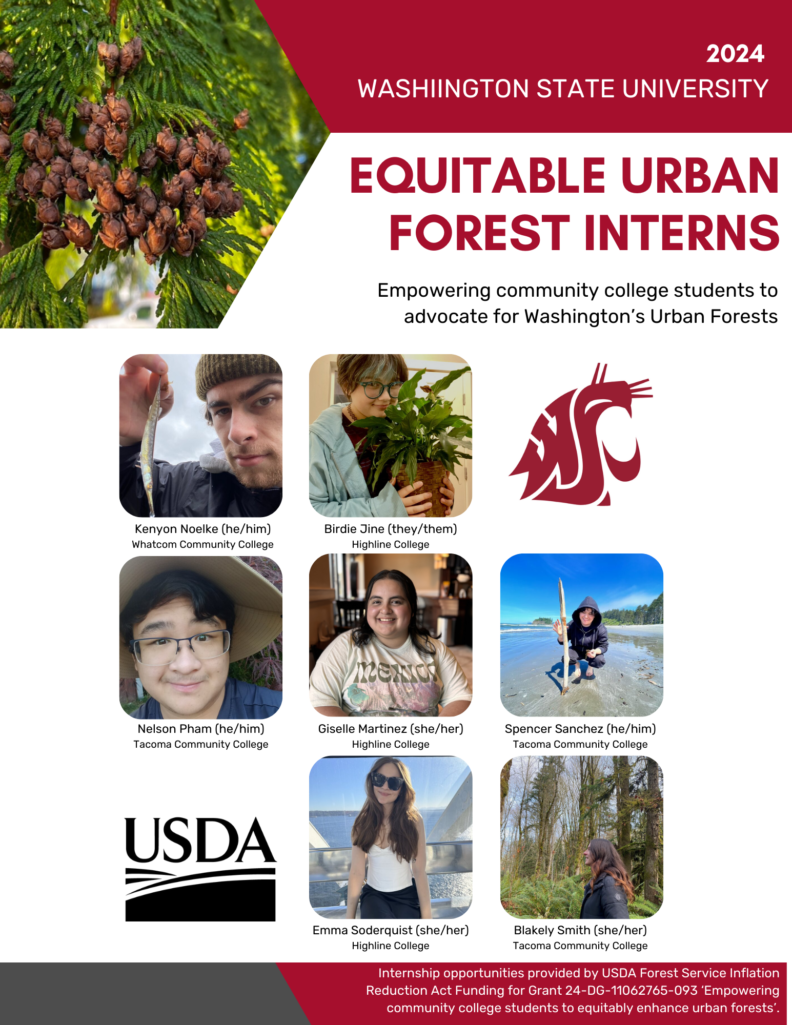
Internship Alumni
Community Partner Examples
Depending on the interest of the intern, we can find community partners for part-time projects. Below are a few community partners that have shared opportunities for internships. These are great examples of the type of projects and opportunities for your internship, if you’re interested in working with a community partner.
Tacoma Tree Foundation
The Tacoma Tree Foundation grows trees and community in Tacoma. We will host many activities for community building, outreach, greening our city, and skill building throughout the summer. Interns can assist with community engagement activities, independent projects, and more.
Whatcom Million Trees
Whatcom Million Trees Project this summer will be doing an urban tree canopy assessment of Bellingham’s Birchwood neighborhood which will require fieldwork and community outreach. (Whatcom Community College is in this neighborhood.) Plus we will hold several volunteer work parties over the summer to remove tree-killing invasives like English ivy from trees. Both are important climate resilience actions you can do hands-on.
American Forests- GID and Data Science Team
American Forests’ GIS and Data Science team is expanding their Tree Equity Score program to include a Tree Equity Score Analyzer (TESA) for all urban areas in Washington State. To support the project, they are seeking help in identifying tools and datasets used for equity and tree planting projects in cities around the state
American Forest
American Forests’ Field Delivery team seeks assistance in engaging stakeholders in a process to capturing community input on the development of the Tree Equity Score Analyzer.
Program Support and Funding
Funding and support for these internships is provided by a five year grant from the Forest Service.
Empowering Community College Students to Equitably Enhance Urban Forests – Program funding provided from the Forest Service as part of the unprecedented funding package for urban forestry provided in the Inflation Reduction Act.

USDA and Washington State University are equal opportunity providers and employers.