Sudden Oak Death
Introduction
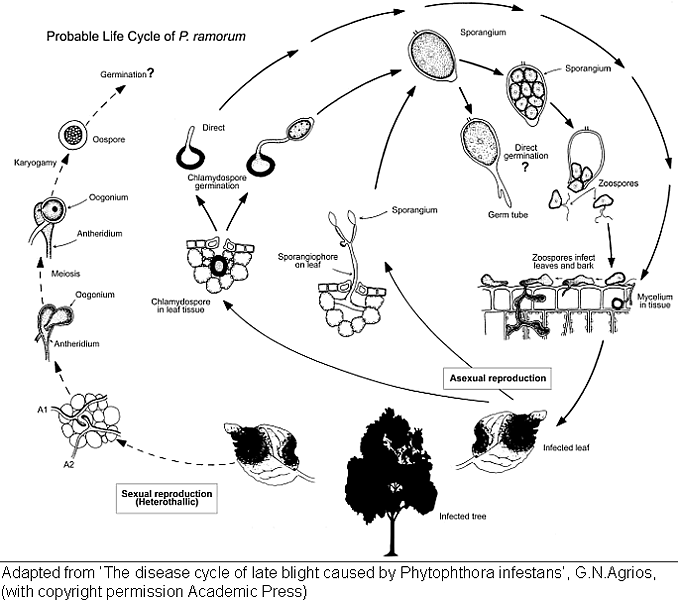
Sudden Oak Death is a disease caused by Phytophthora ramorum, a non-native microbe that harms plants as a plant pathogen. The plant disease was first detected in the U.S. in California in 1995. The disease got its common name (“Sudden Oak Death”) when thousands of healthy oak and tanoak trees in California appeared to suddenly die.
Symptoms
The cause of the disease is the water mold, Phytophthora ramorum (commonly abbreviated as P. ramorum), which is a new species of Phytophthora that was described in 2001. P. ramorum leaf and shoot blight is another common name for this disease on many of its hosts.
Impact
Sudden Oak Death has killed hundreds of thousands of oak and tanoak trees in California. The disease attacks over 100 plant species in more than 37 different plant families.
Phytophthora ramorum has only been recovered from Washington, California, Oregon, several European countries, the United Kingdom, and Vietnam. In Washington and Oregon, P. ramorum is found in mainly ornamental plant nurseries.
Washington State
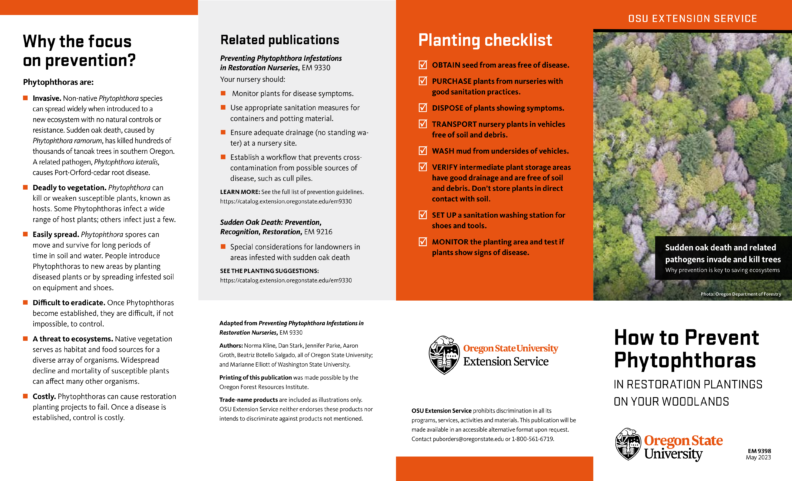
Phytophthora ramorum has been present in Washington state since 2004, yet no forest outbreaks have occurred as they have in California, Oregon, and the UK. This may not be the case with the next invasive plant pathogen, therefore the use of Best Management Practices (BMPs) for growing clean plants is important for nurseries to adopt.
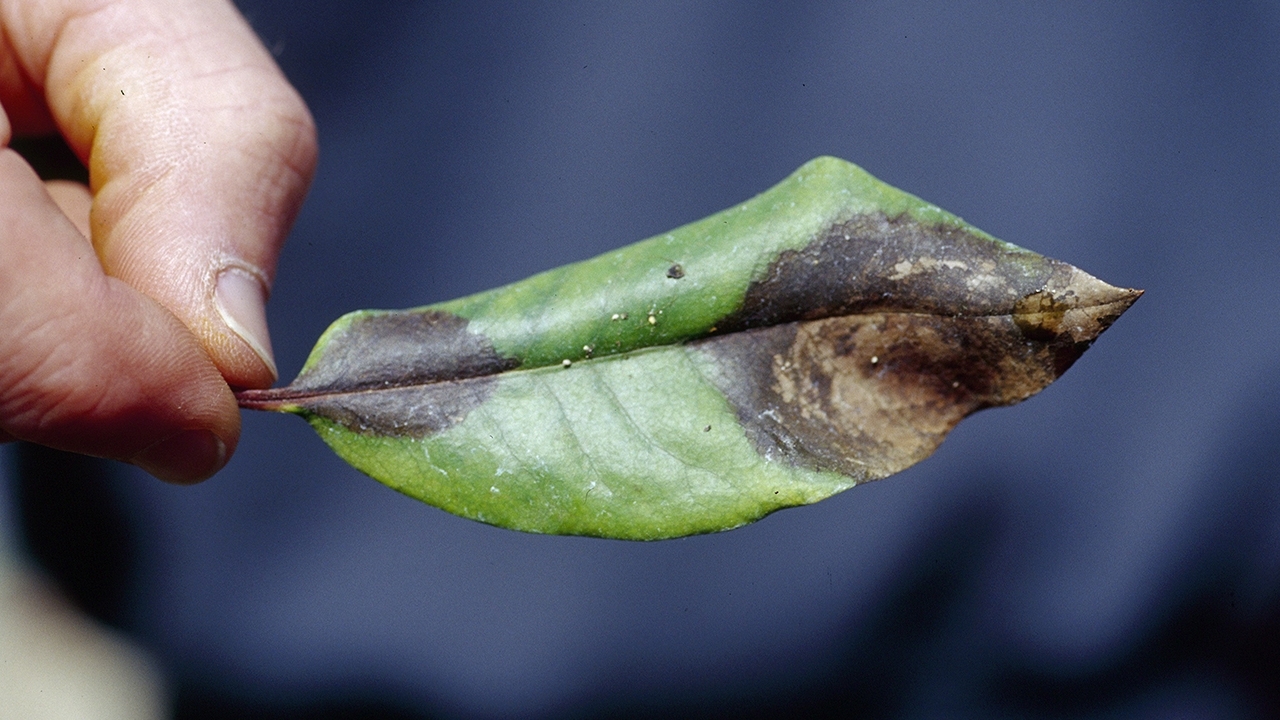
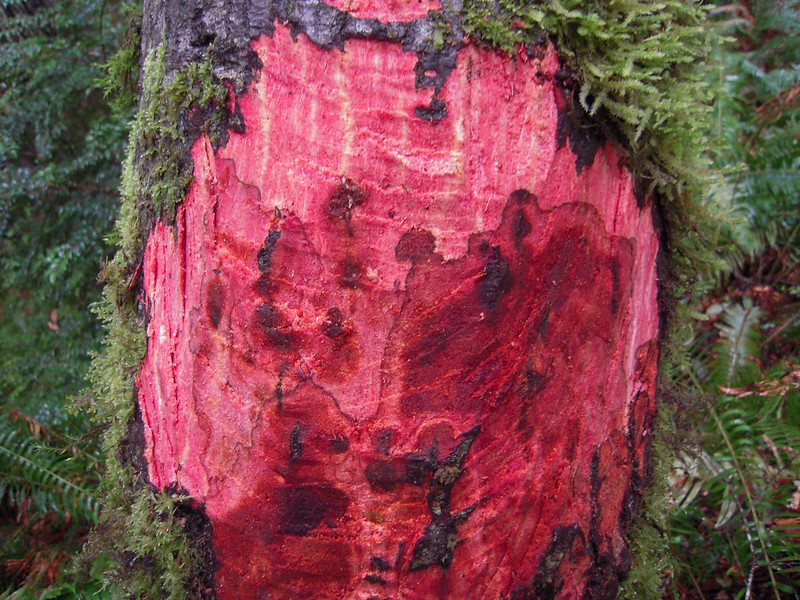
Photo by
Joseph Obrien, USDA FS
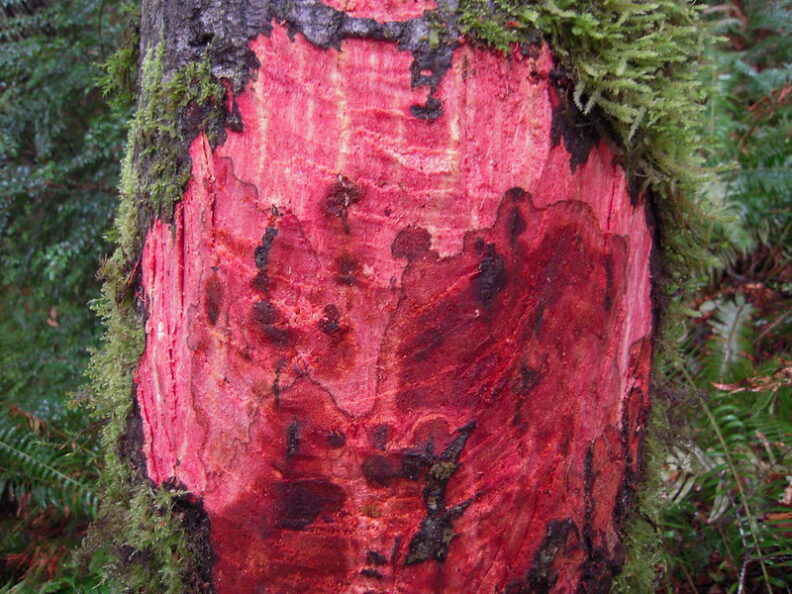
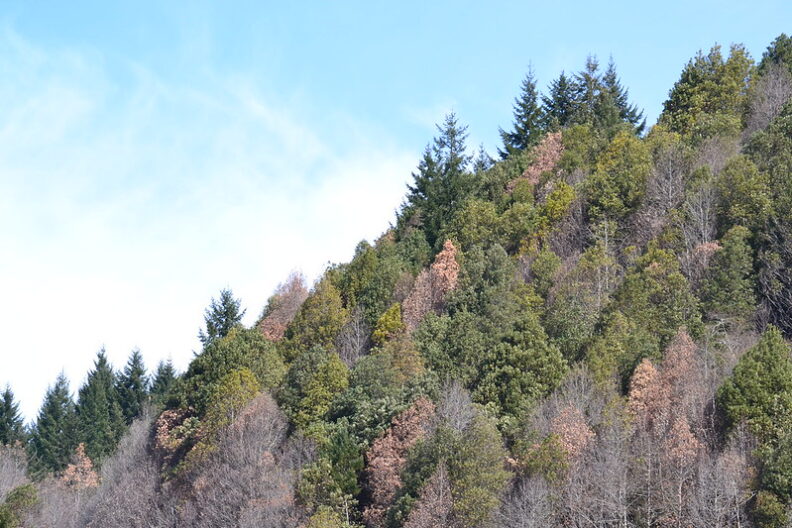
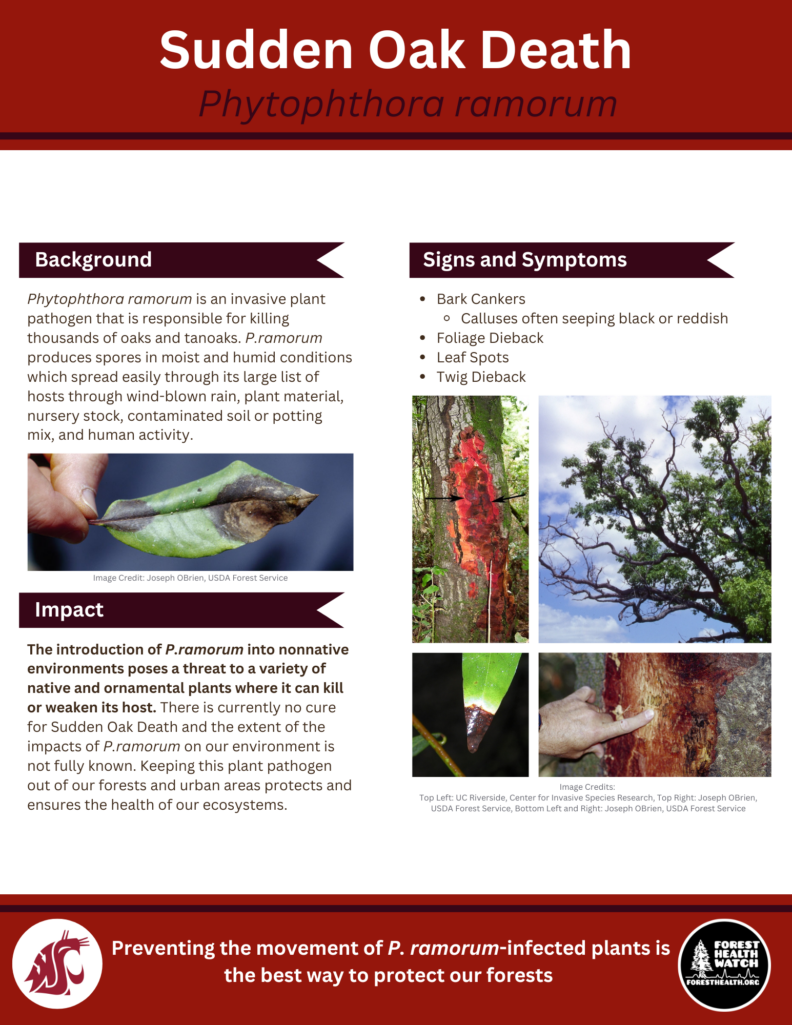
Photo by Joey Hulbert
Resources
Best Management Practices