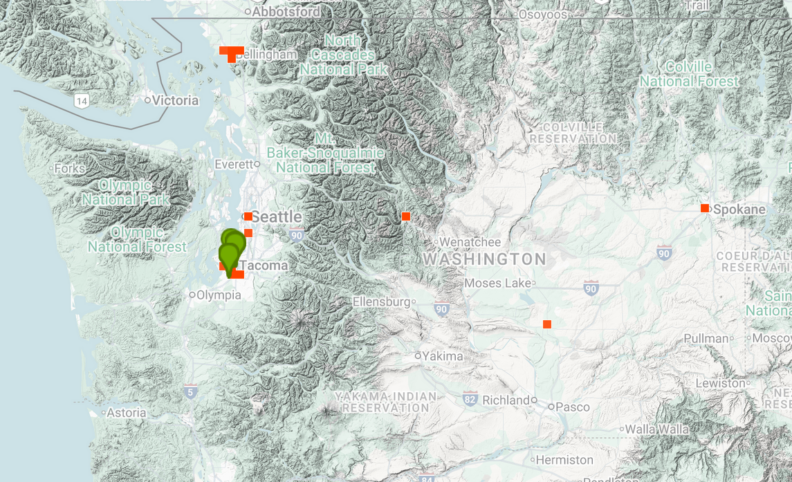
Bronze Birch Borer
Introduction
Why Are My Birch Trees Dying?
The Bronze Birch Borer (Agrilus anxius Gory) is a wood-boring insect native to Washington State that feeds on birch trees (Betula spp.).
Due to overall tree stress events associated with hotter and drier summers, the Bronze Birch Borer’s impact on the decline of birch trees has increased exponentially in the Pacific Northwest.
What It Looks Like (Developmental Stages)
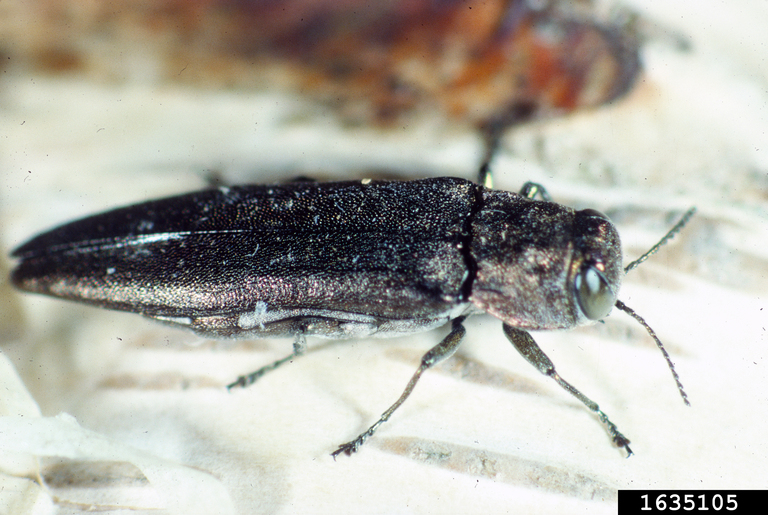
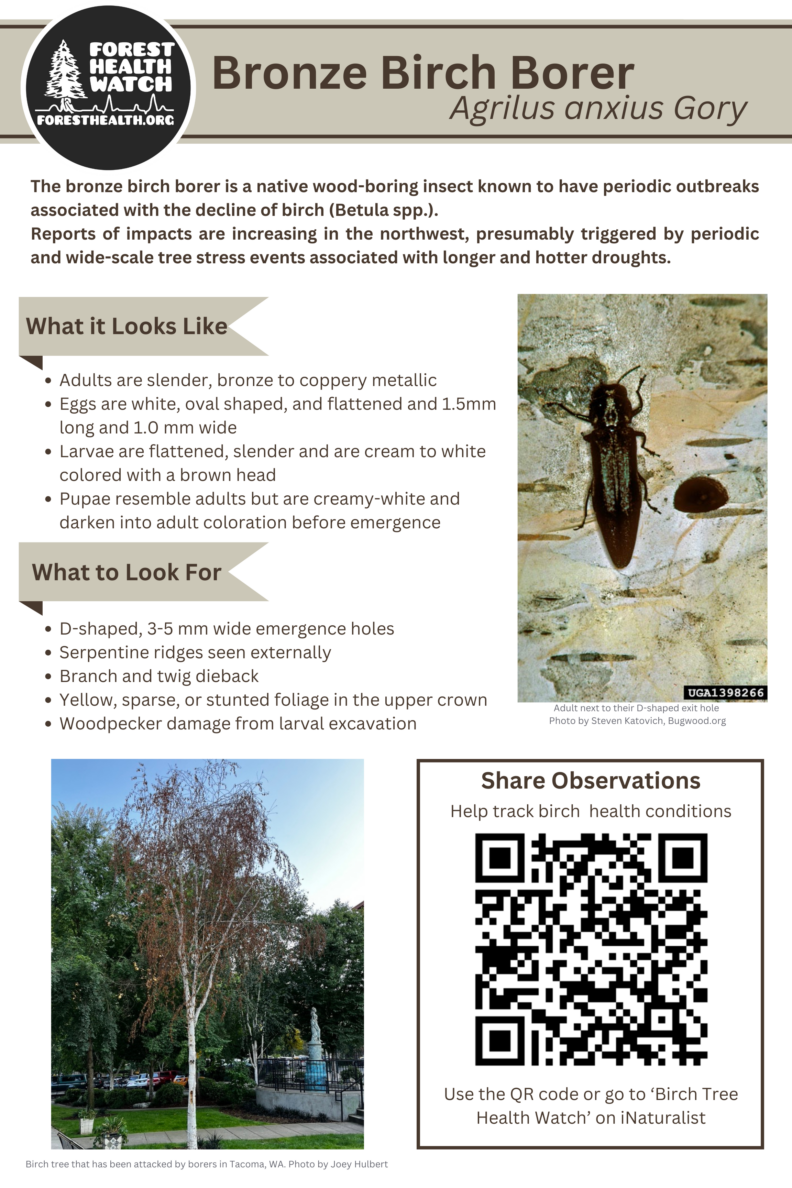
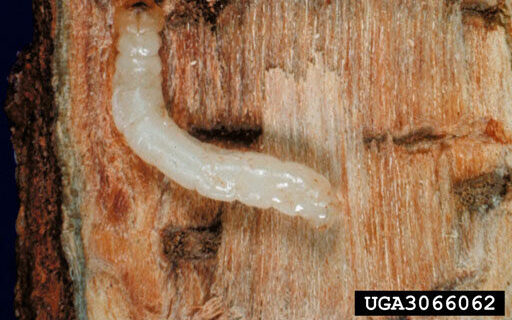
In their adult stage, the Bronze Birch Borer is slender, olive-bronze with a copper-like reflection. Their larvae are somewhat flat, slender and pearly white. In the pupa stage, it transitions from being pearly white to a darkening of adult pigmentation.
Agrilus anxius
Larva(e)
photo by David G. Nielsen
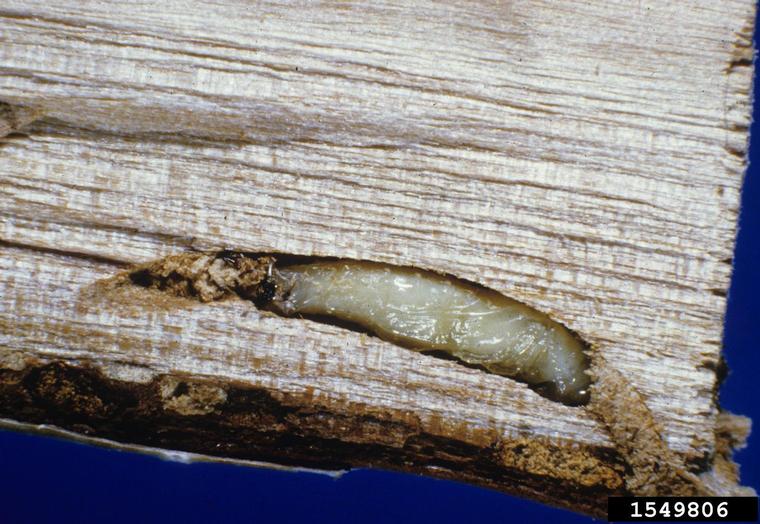
Agrilus anxius
Pupa(e)
photo by David G. Nielsen
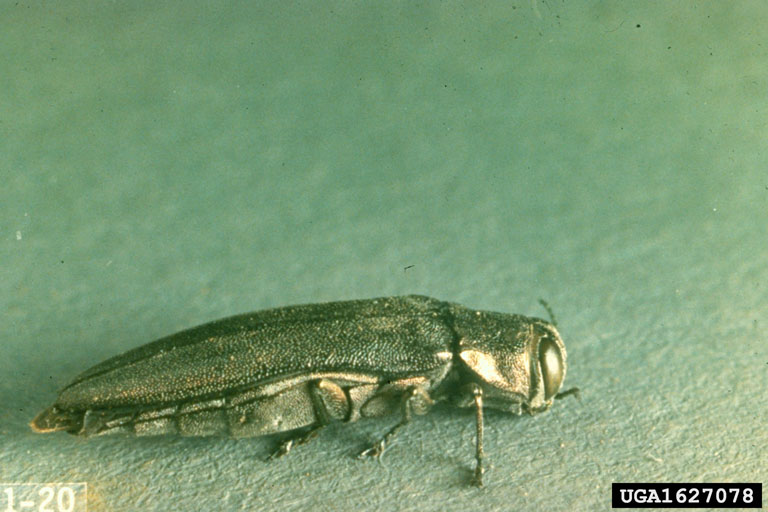
Agrilus anxius
Adult(s)
photo by John A. Weidhass
Lifespan cycle
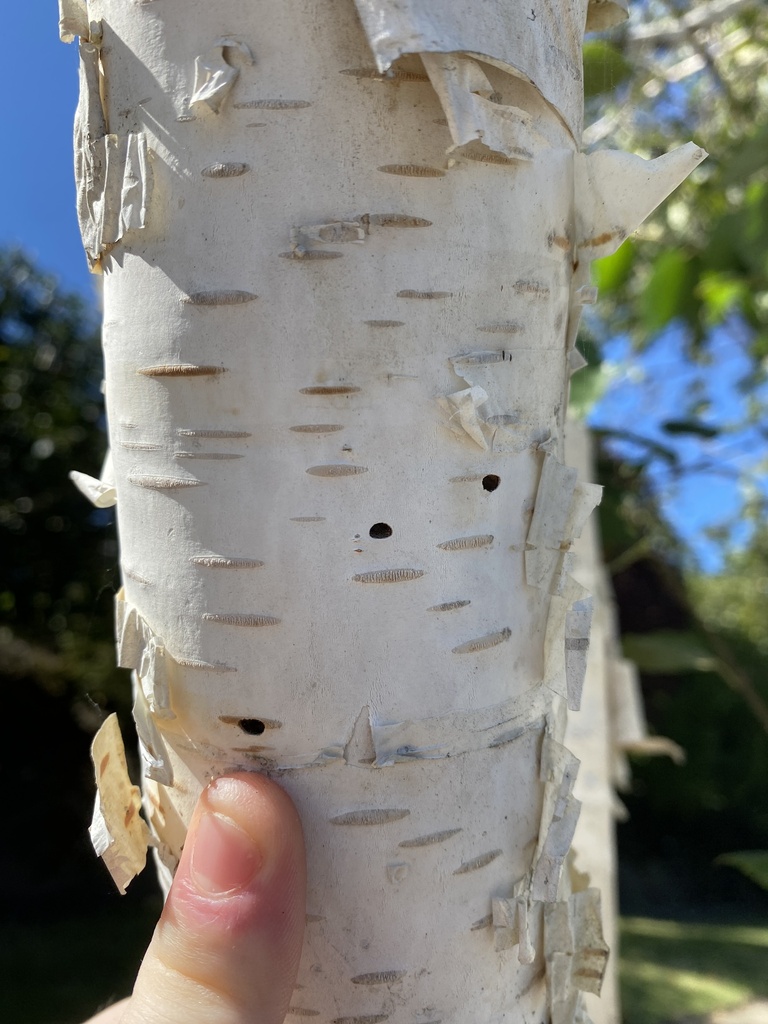
The Bronze Birch Borer will engage in a state of dormancy known as overwintering as larvae just underneath the bark. Then in either late April or early May, the larvae molt into a pupal stage. During early June, now in adult form the Bronze Birch Borer will chew through the bark and emerge, burrowing out of the tree. The burrow holes leave a distinctive “D.”
After mating, females will lay eggs in compromised areas of the tree, including cracks, beneath the bark flaps, or other damaged areas. After a few days, the eggs hatch into tiny white larvae that chew into the bark and begin feeding.
What to Look For: Signs & Symptoms
On affected birch trees, the Bronze Birch Borer will leave 3-5mm distinctive D-shaped exit holes. Signs to look for on a tree experiencing Bronze Birch Borer infestation: are serpentine ridges on the external branches, branch & twig dieback, yellow, sparse or stunted foliage in the tree’s upper crown.
- D-shaped exit holes about 3-5mm.
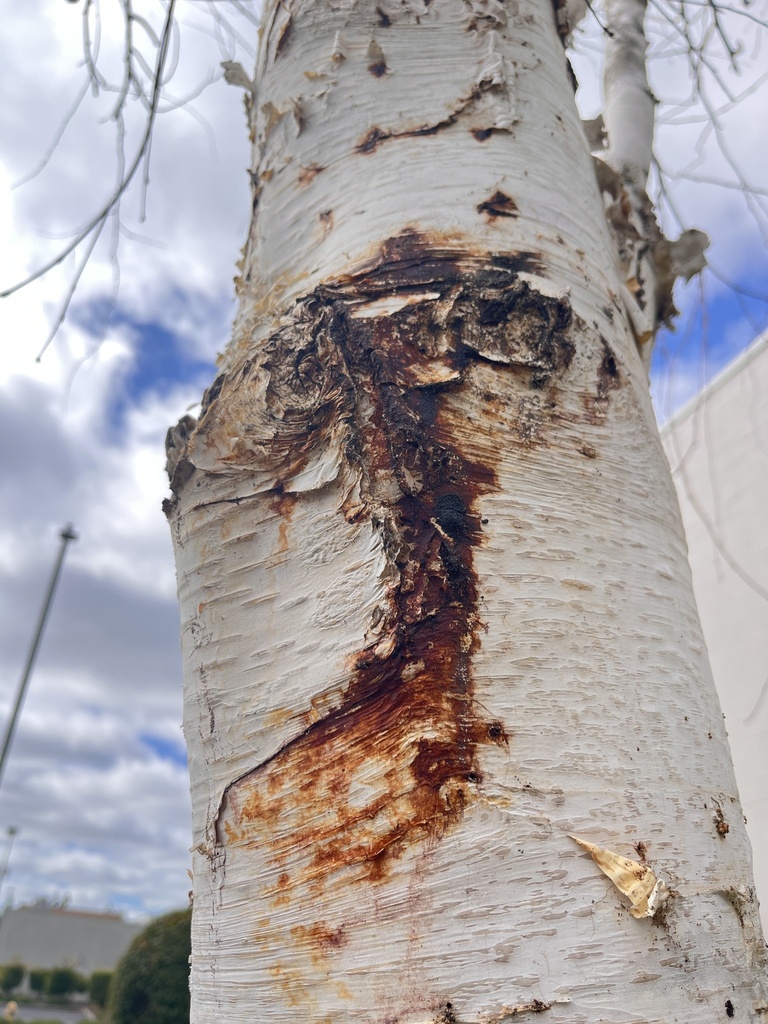
- Bleeds on the bark
- Serpentine ridges on the external branches (insect activity beneath bark)
- Yellow, sparse or stunted foliage in the tree’s upper crown.
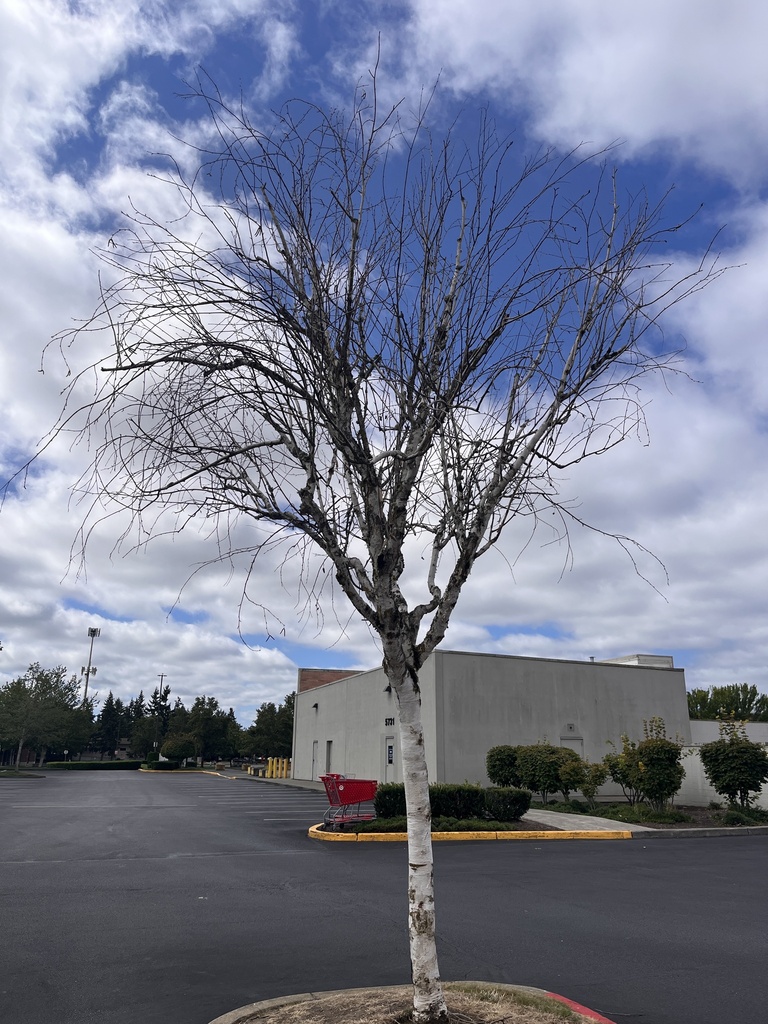
- Branch dieback, or total loss of canopy