Emerald Ash Borer
Introduction
The Emerald Ash Borer (Agrilus planipennis) is an invasive boring beetle native to Asia that was discovered in America in the summer of 2002. The boring beetle only targets Ash trees, and has killed hundreds of millions of ash trees in North America. The beetle was discovered in Oregon in 2022 and British Columbia in 2024, leaving Washington State in the middle of two bordering infestations of Emerald Ash Borer.
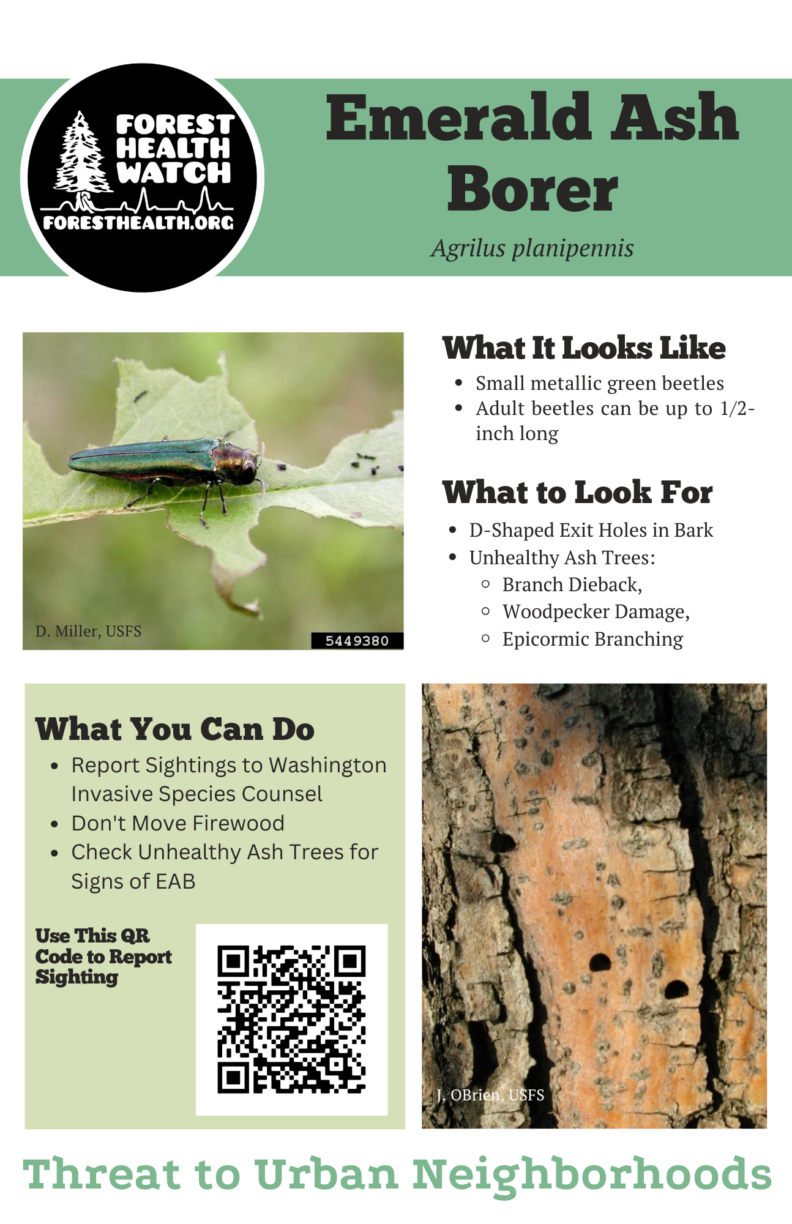
What It Looks Like
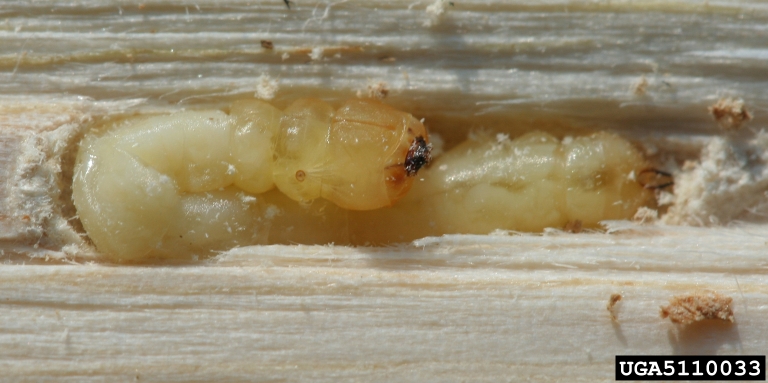
Photo by David Cappaert, Bugwood.org
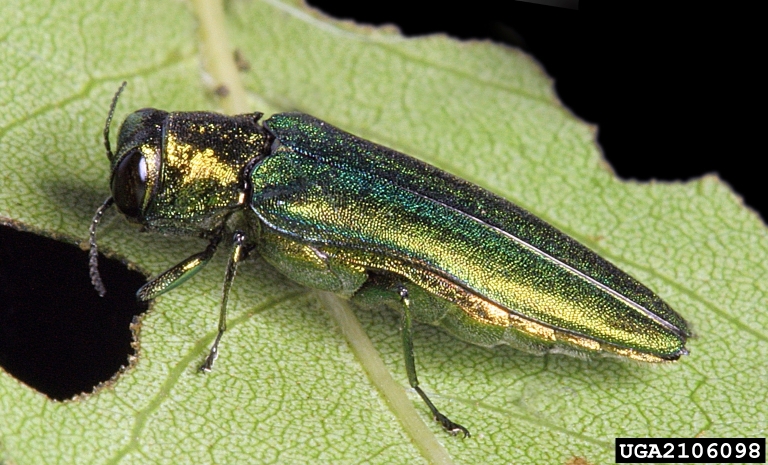
Photo by David Cappaert, Bugwood.org
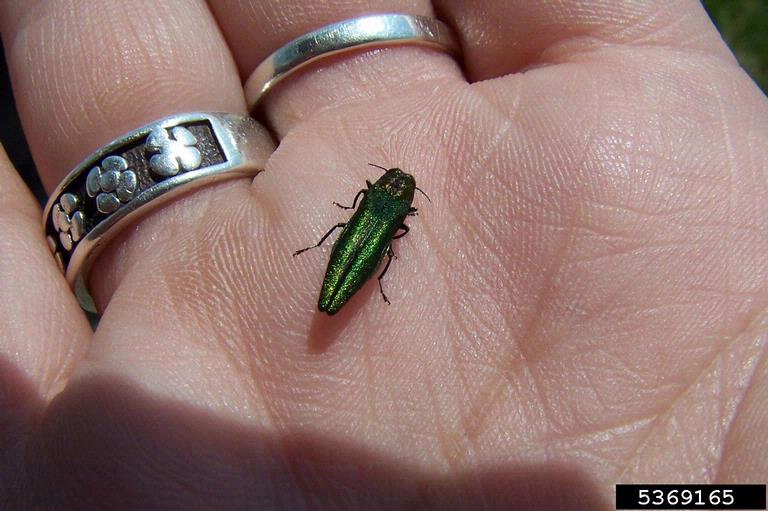
Photo by Marianne Prue, Ohio Department of Natural Resources – Division of Forestry, Bugwood.org
Emerald Ash Borer (EAB) larva(e) are a creamy white and have segmented and flat bodies that can be as long as about an inch.
Adults lay their eggs from late May to the end of September Female beetles will lay their eggs by depositing them in the bark crevices of Ash trees.
Once hatched from their eggs, larvae will begin chewing their way into the tree, creating galleries.
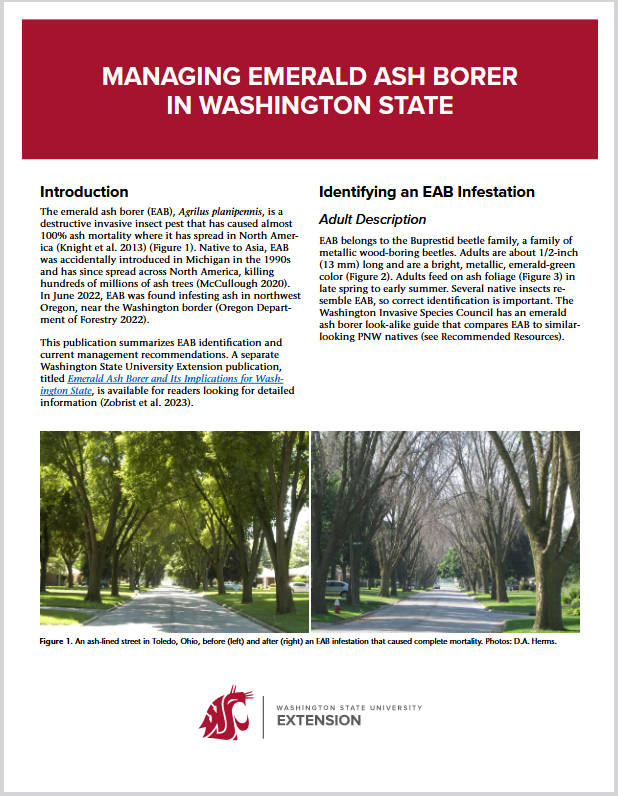
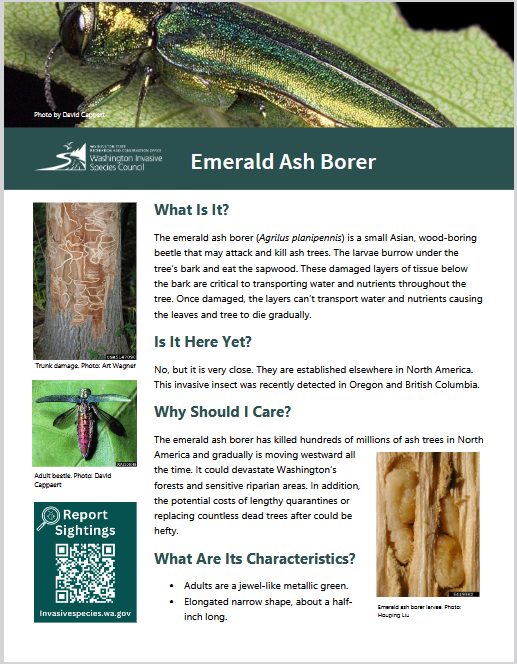
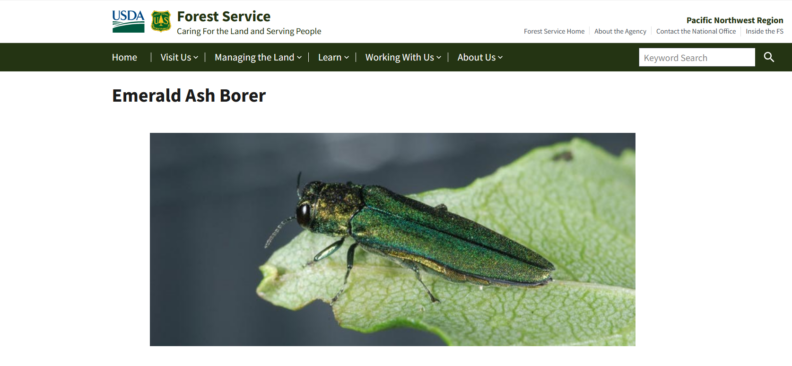
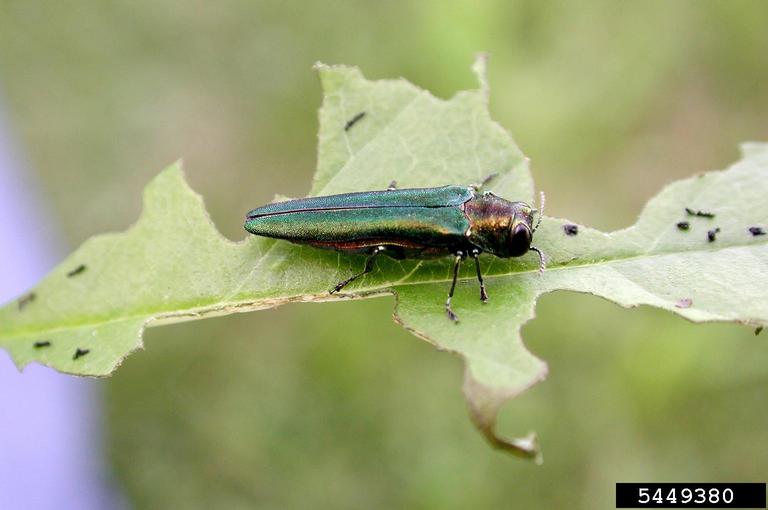
In their adult stage, the Emerald Ash borer are metallic green and about 1/2-inch long.
What to Look For
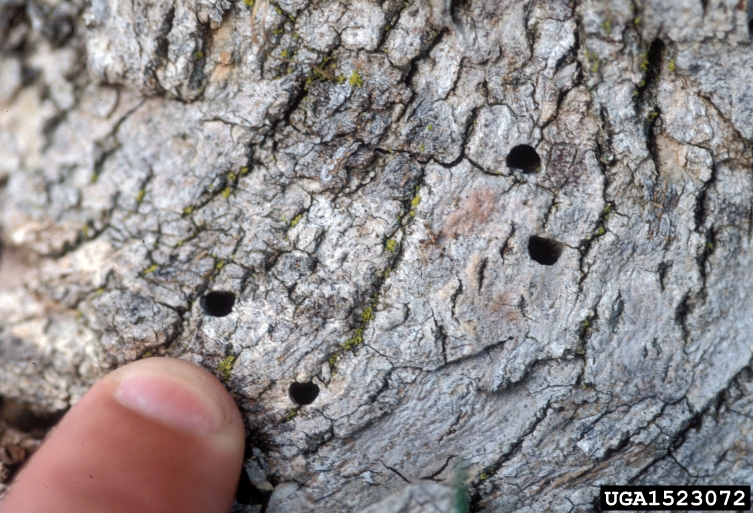
Photo by Daniel Herms, The Ohio State University, Bugwood.org
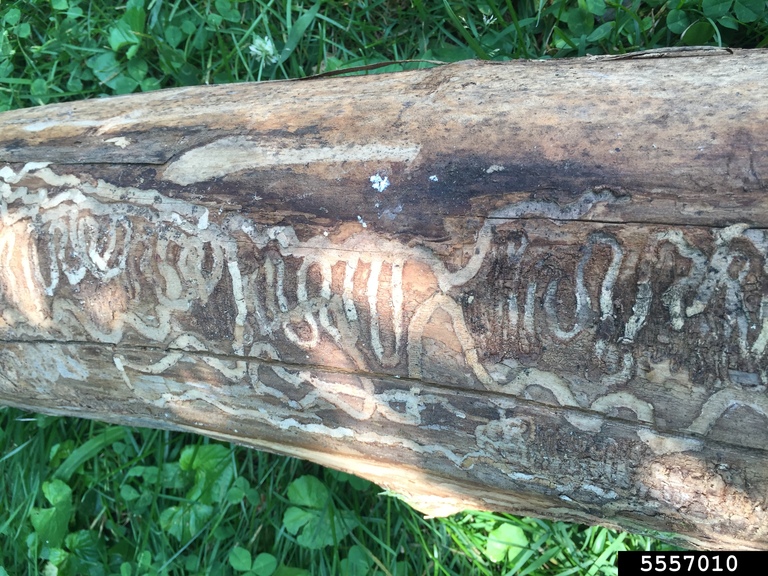
Photo by Elizabeth McCarty, University of Georgia, Bugwood.org
The Emerald Ash Borer will only attack Ash trees, and will leave signs of attack on them. the Beetle will leave distinctive D-shaped exit holes. Heavy woodpecker damage on ash trees can also be a sign of infestation; The woodpecker will feed on Emerald Ash Borer larvae. Other signs include branch dieback and epicormic branching.
What You Can Do
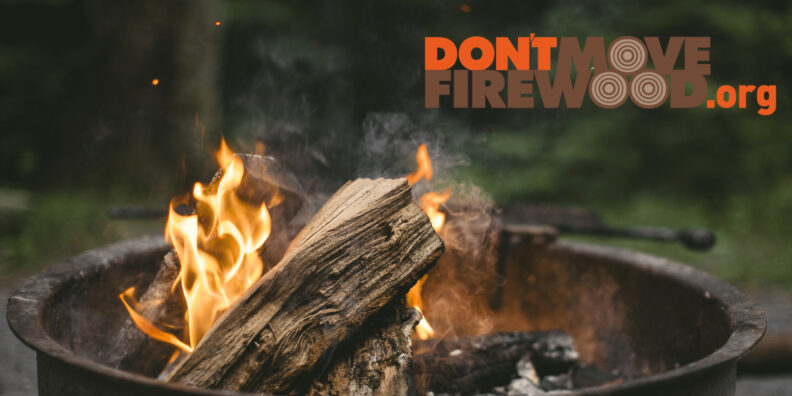
One of the most important things we can do to protect trees is to stop moving invasive pests and diseases to new areas on firewood. To make sure invasive insects are not spread on firewood, use firewood from local sources. Buy it from where you plan to burn it.
2024 Webinar – Emerald Ash Borer in the West
Emerald Ash Borer in Oregon: 2 Years of Management
Lilah Gonen, Oregon Department of Forestry
Recorded on June 11, 2024
EAB in Vancouver, BC (2023 and 2024)
Troy Kimoto, Canadian Food Inspection Agency
Recorded on June 11, 2024
Preparing for Emerald Ash Borer in Washington
Stephanie Helms, Washington Invasive Species Council
Em Roberts, WA Department of Natural Resources
Recorded on June 11, 2024